Halloween Is Coming: Beyond the Candy, How America Reminds Everyone to Keep Children Safe
Ten days before Halloween, the American Red Cross and UC Davis Health issued safety reminders on the same day. Reminders like these run all year in America, from Fourth of July fireworks and the Thanksgiving kitchen to the winter Christmas tree. Behind them lie a tradition of treating injury as a preventable public health problem and a rule that children’s safety is a responsibility shared by the whole community.
Tomorrow is October 31, Halloween. On October 21, the American Red Cross and UC Davis Health released Halloween safety reminders on the same day. On October 27, the Red Cross issued another: daylight saving time ends on November 1, the day after Halloween, and when families turn their clocks back an hour, they should test their smoke alarms too.
In America, every holiday brings a list of precautions, delivered on schedule through TV news, city websites and school notices. This article starts with Halloween and looks at the habit of pre-holiday reminders and the shared understanding about children’s safety behind it.
I. One Night the Whole Country Celebrates
Halloween draws wide participation in America. The National Retail Federation (NRF) annual survey, released in September, found that 74% of American consumers plan to celebrate this year. Total spending is expected to reach $13.5 billion, above last year’s record of $13.1 billion, or $115.14 per person.
Ninety-six percent of consumers will buy candy, for a total of $4.1 billion. Decorations and costumes cost more, at $4.3 billion and $4.4 billion. Nearly half of shoppers start buying in September or earlier, and Halloween has grown from a single night into a whole season.
In October, American neighborhoods compete in holiday spirit house by house. Jack-o’-lanterns line the steps, skeletons, tombstones and inflatable spiders stand on the lawns, and strings of orange and purple lights hang from the eaves. In the NRF survey, 42% of people decorate their home or yard, and 42% carve pumpkins. In the small town of Kenova, West Virginia, a “Pumpkin House” is surrounded every fall by glowing jack-o’-lanterns covering the house and the yard wall. The South Portico of the White House is also dressed with pumpkins and autumn flowers.
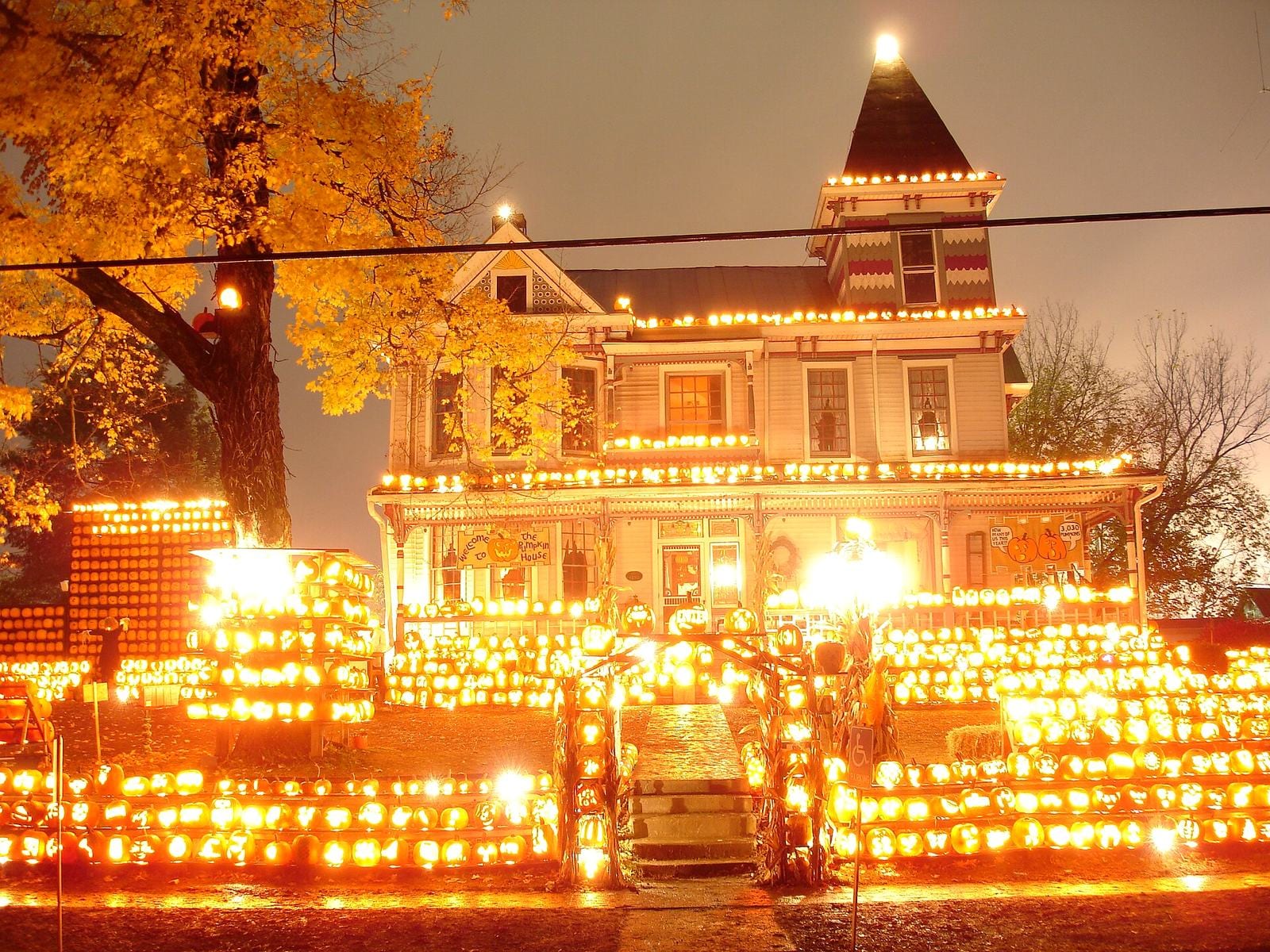
Figure 1: The Pumpkin House in Kenova, West Virginia, with its wall and steps lined with lit jack-o’-lanterns. Source: Tunesizcat / Wikimedia Commons / CC BY 4.0
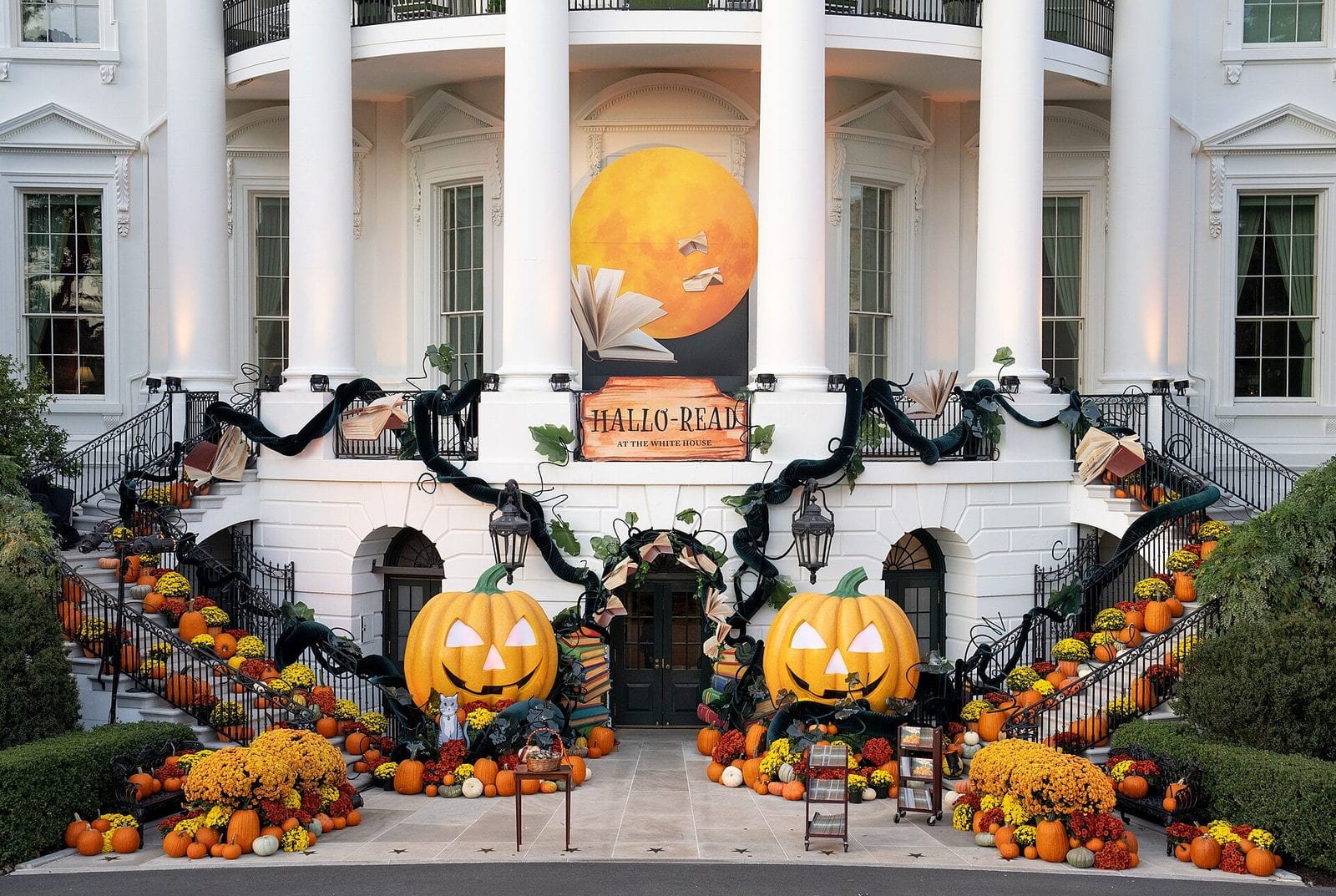
Figure 2: The White House South Portico decorated with pumpkins and autumn flowers before Halloween 2024. Source: The White House / Wikimedia Commons / Public domain
On Halloween night, children take center stage. After dark, they put on princess dresses, superhero suits and dinosaur costumes and go door to door carrying pumpkin-shaped pails. When a door opens, the children shout “Trick or treat,” and the host drops a handful of candy into each pail. According to the survey, 61% of Americans hand out candy at home, and 50% dress up themselves.
Neighbors share a rule everyone understands. A porch light that is on means the household welcomes trick-or-treaters. A porch light that is off means the household is not taking part tonight. Children knock only on doors with the light on.
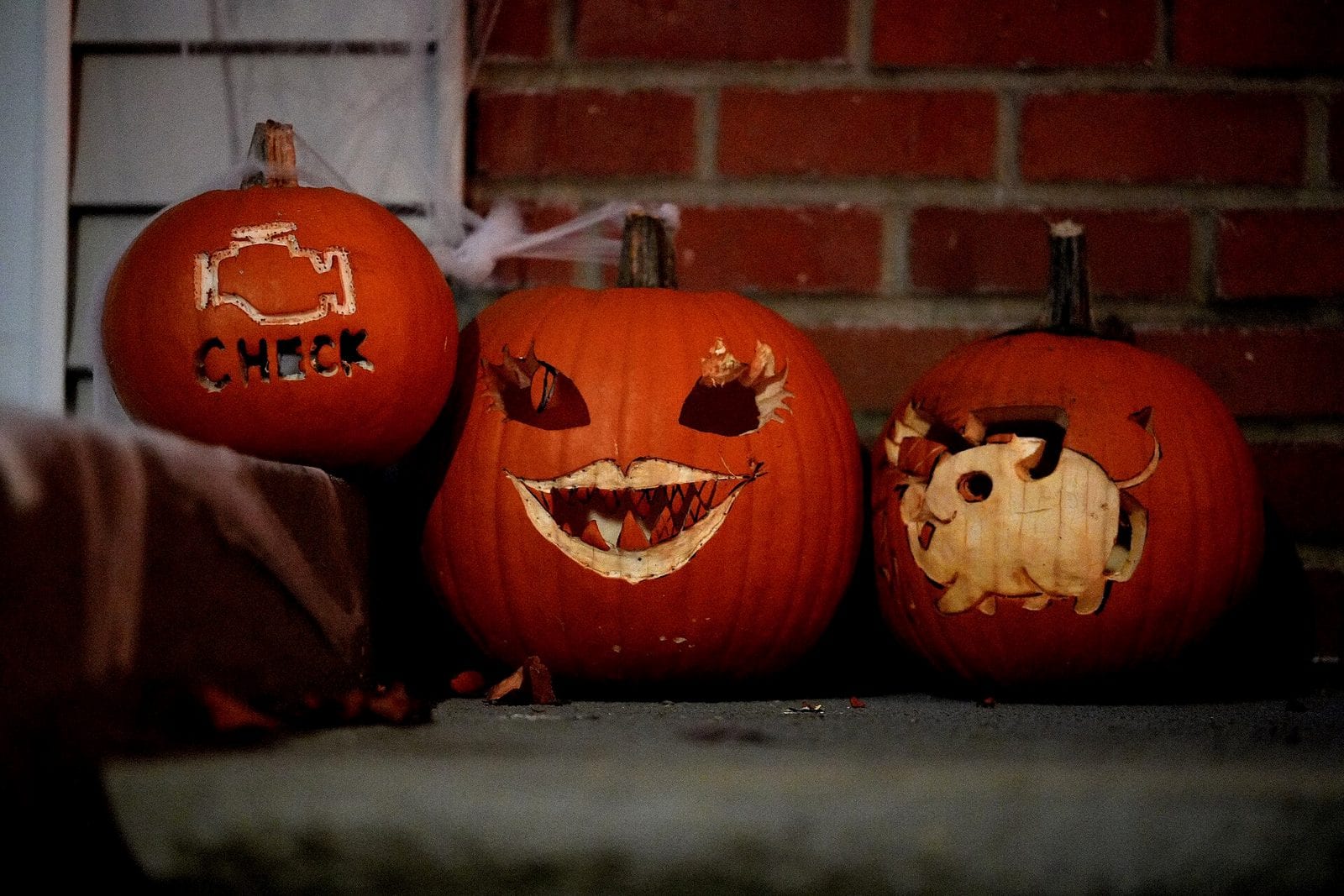
Figure 3: Jack-o’-lanterns on the porch steps of a home in Seattle. Source: Lianguanlun / Wikimedia Commons / CC BY 4.0
In recent years, a more convenient format has caught on: trunk-or-treat. Churches, schools or community groups park cars in one parking lot, and the owners open their trunks and fill them with candy and decorations. Children collect treats car by car in an enclosed, well-lit space. Some small towns close streets for a few hours around Halloween so children can walk on car-free roads.
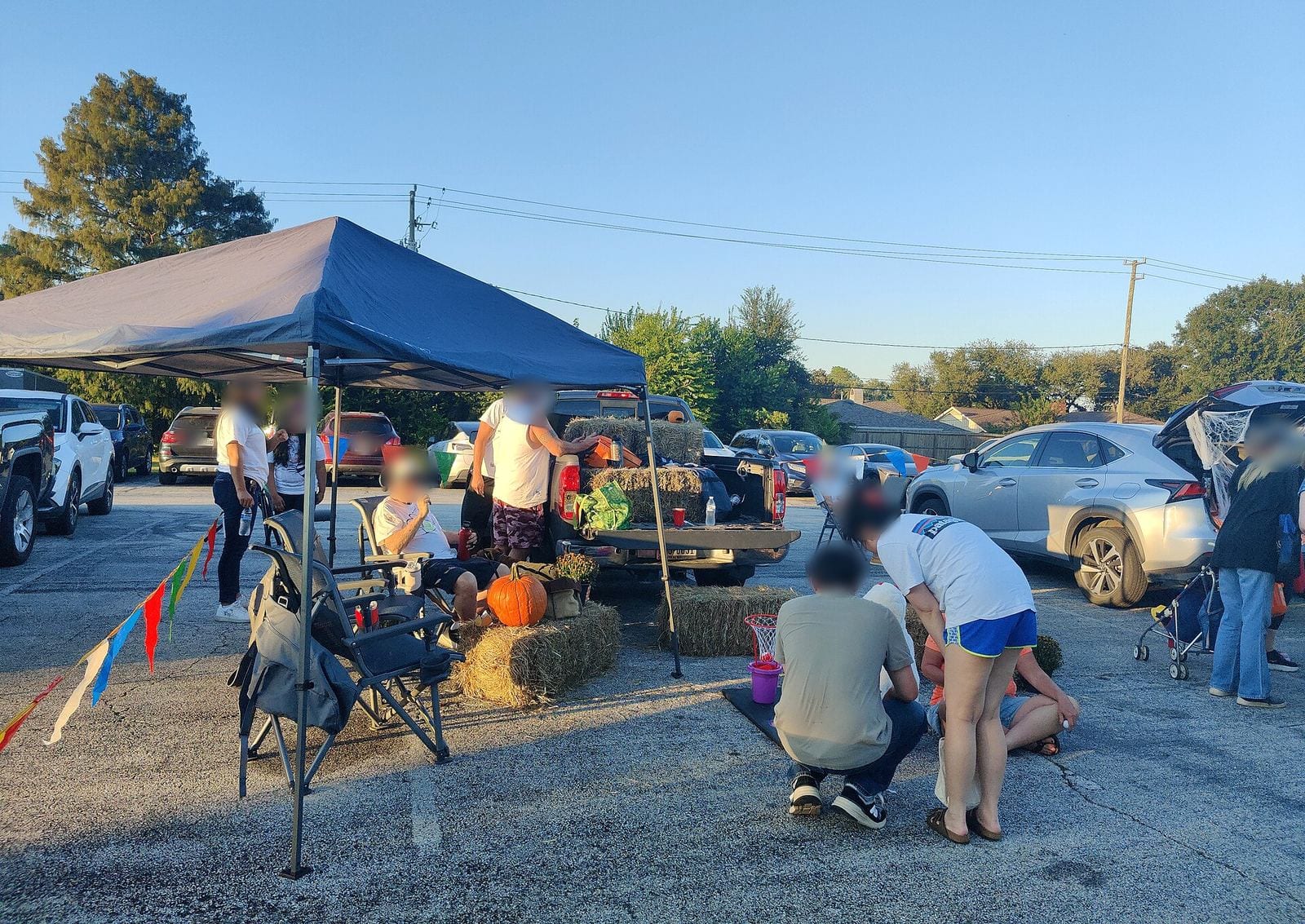
Figure 4: A trunk-or-treat event in a church parking lot in 2025. Source: EvanCarroll / Wikimedia Commons / CC BY-SA 4.0
II. The Holiday’s Other Program: Pre-Holiday Reminders
The other side of the festivities is a wave of reminders from all kinds of institutions. On October 21, the American Red Cross published its national Halloween safety guidance. The first item concerns traffic: “Children are more than twice as likely to be struck and killed by a vehicle on Halloween than on any other day of the year.”
The Red Cross advice to parents is specific and falls into four groups.
1. Costumes: use face makeup instead of masks so vision is not blocked; choose light-colored clothing and add reflective tape to costumes and treat bags; select flame-resistant costumes and wigs.
2. Company: young children should be accompanied by an adult; older children should go in groups and agree on a route and a time to be home.
3. At the door: visit only homes with porch lights on, accept treats at the door, and never enter a stranger’s home.
4. Candy: an adult checks the haul at home and throws away anything questionable. The rule of thumb is “When in doubt, throw it out.”
The same day, UC Davis Health published 10 Halloween safety tips. They were written by Jennifer Rubin, the hospital’s injury prevention manager, who also coordinates the Safe Kids Greater Sacramento coalition of the child safety organization Safe Kids. She wrote plainly: “Accompany children under age 12 for trick-or-treating.” She also reminded parents to avoid costume accessories with small magnets or button batteries, to keep home decorations away from open flames and heat sources, and to confirm before going out that smoke alarms work. The hospital has published the same kind of list in past years.
Government agencies take part as well. The Oregon Department of Transportation staged safety photos of children in holiday costumes, and the National Highway Traffic Safety Administration (NHTSA) issues Halloween driving reminders every year.
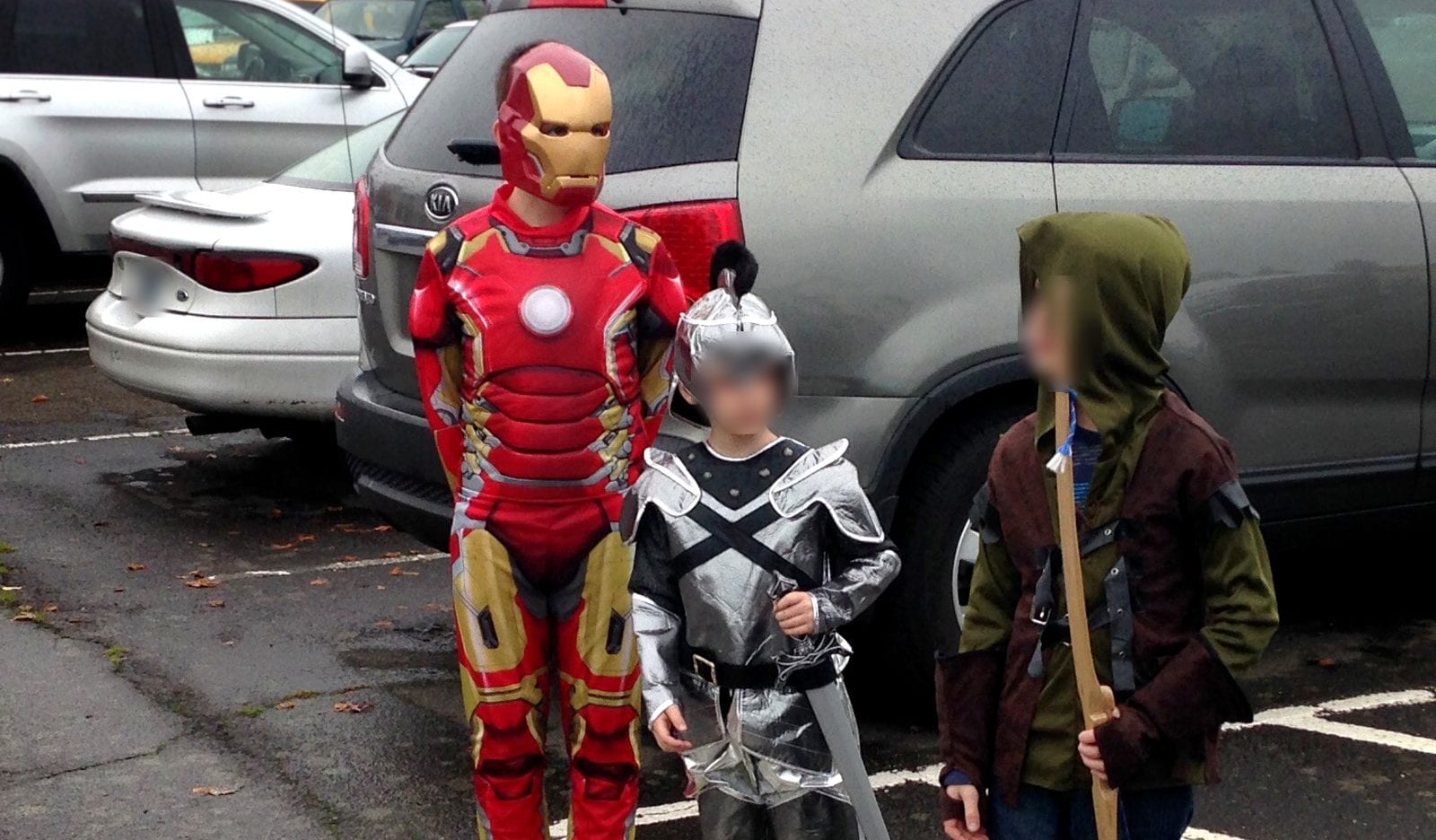
Figure 5: A Halloween costume safety photo taken by the Oregon Department of Transportation. Source: Oregon Department of Transportation / Wikimedia Commons / CC BY 2.0
Some reminders rest on laws and medical rules. The U.S. Food and Drug Administration (FDA) reminds the public every year that “all contact lenses must be prescribed by a doctor, including decorative lenses.” Selling them without a prescription is illegal, and such lenses can cause blindness. Missouri law prohibits registered sex offenders from taking part in Halloween activities involving children on October 31, requires them to turn off all outdoor lights after 5 p.m., and requires them to stay home from 5 to 10:30 p.m. Here, the neighborhood porch-light rule has been written into law.
Other reminders look out for a minority of children. Food Allergy Research & Education (FARE) started the Teal Pumpkin Project. Households that put a teal pumpkin by the door offer non-food treats such as glow sticks and small toys, so children with food allergies can join in safely. FARE reports that “one in 13 children has a food allergy—that’s roughly two in every classroom.”
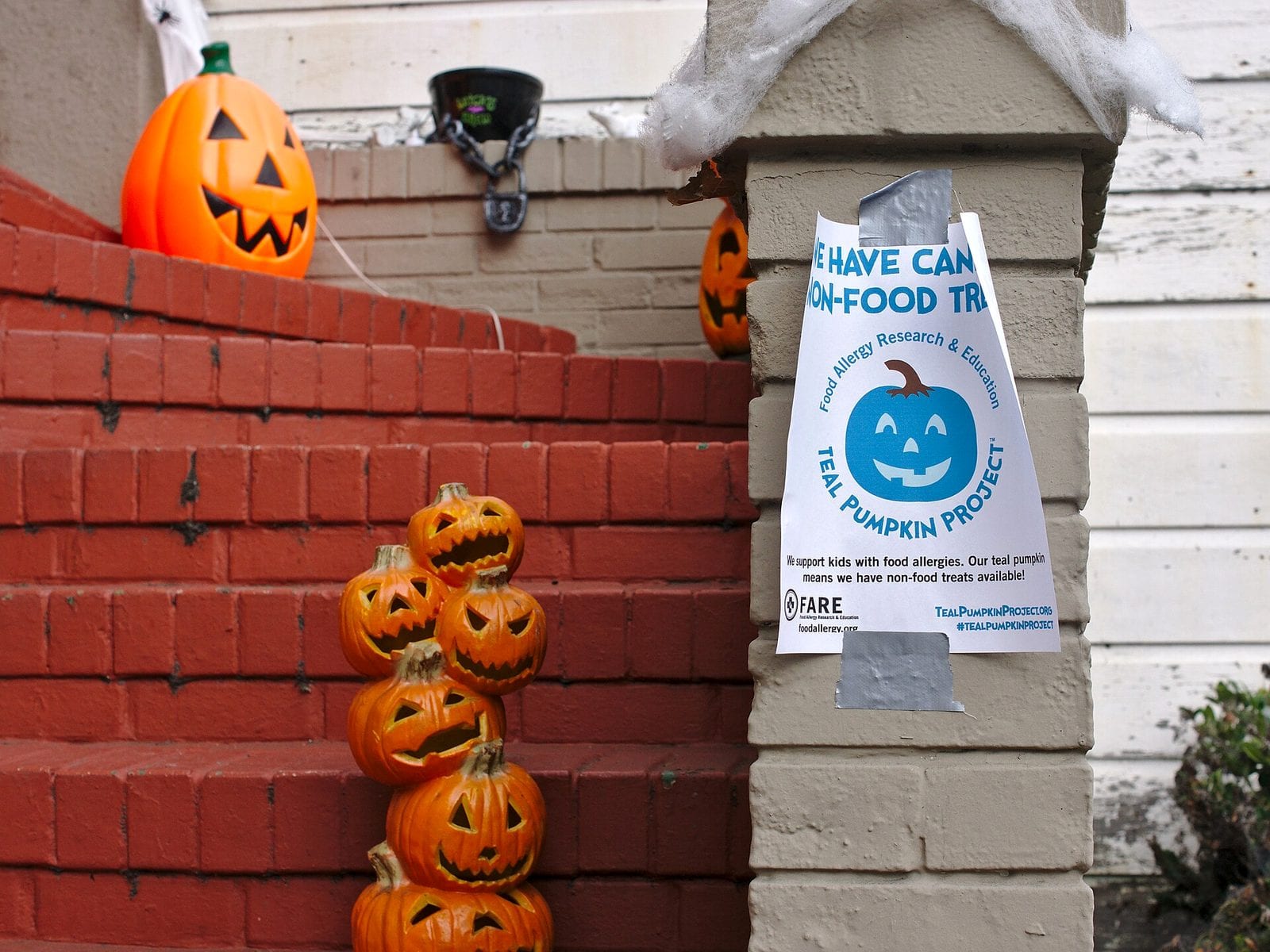
Figure 6: A Teal Pumpkin Project sign posted by a door, with jack-o’-lanterns on the steps. Source: Alexander Klink / Wikimedia Commons / CC BY-SA 4.0
The reminders travel along a fixed path. After national organizations publish them, state chapters, state and county governments and city fire departments repost them with local details, local TV stations turn them into an annual pre-holiday news segment, and schools pass the notices on to parents.
III. A Year-Round Calendar of Reminders
Halloween is only one stop. Walk through the calendar and such reminders appear almost every month.
1. May: May 1 is National Heatstroke Prevention Day. NHTSA reports that 31 children died of heatstroke in vehicles in 2025. National Hurricane Preparedness Week falls in the same month.
2. Summer: the Centers for Disease Control and Prevention (CDC) repeatedly warns that drowning is the leading cause of death for children ages 1 to 4.
3. Fourth of July: the Red Cross reminds the public that “the safest way to enjoy fireworks is to attend a public fireworks show put on by professionals.” Near water, one adult should be designated as a “water watcher,” because a drowning person will last only 20 to 60 seconds before submerging. The U.S. Consumer Product Safety Commission (CPSC) estimates that about 13,000 people were injured by fireworks in 2025.
4. September: Child Passenger Safety Week runs September 20–26 in 2026, ending with National Seat Check Saturday. In 2024, on average, two children 14 and younger were killed every day while riding in passenger vehicles in America.
5. October: during Fire Prevention Week, firefighters visit schools to teach children how to escape a fire.
6. Early November: as daylight saving time ends, fire departments across the country remind residents to check their smoke alarms. The Red Cross notes that working smoke alarms can reduce the risk of death in a home fire by 50%. Pennsylvania warns that the state had 153 home fire deaths in 2025, the most in the nation.
7. Thanksgiving: the National Fire Protection Association (NFPA) reports that Thanksgiving is the peak day of the year for home cooking fires, with more than three times the number on an average day.
8. December to January: Christmas trees and holiday decorations. NFPA reports that 35% of home fires started by Christmas trees occur in January, when the trees have dried out.
These reminders share one feature: each one targets the day, the time of day and the age group with the most incidents in the year.
IV. Where the Practice Comes From
Pre-holiday reminders became routine for four main reasons.
1. Injury is treated as a public health problem. The CDC runs the National Center for Injury Prevention and Control, established in 1992. CDC data show that injury is the leading cause of death among Americans ages 1 to 44. The center’s core view is that, like infectious diseases, injury and violence are preventable. Its budget for fiscal year 2024 was about $760 million.
2. Data tell people when to issue reminders. NHTSA holds national traffic fatality data, CPSC tracks product injuries through hospital emergency departments, and NFPA and the U.S. Fire Administration track fires. U.S. Fire Administration statistics show that more than half of residential fires on Thanksgiving occur between 10 a.m. and 5 p.m., the hours of cooking.
3. Nonprofits and hospitals have long been involved. NFPA has sponsored Fire Prevention Week since 1922, and in 1925 President Calvin Coolidge proclaimed it a national observance commemorating the Great Chicago Fire of 1871. NFPA calls it “the longest-running public health observance in our country.” University hospitals also have dedicated injury prevention staff.
4. A culture of liability and product standards. In America, homeowners are responsible for the safety of visitors, and clutter on the steps, slippery wet leaves or an unleashed dog can all lead to claims. The American Academy of Pediatrics (AAP) advice for Halloween hosts includes clearing the steps, sweeping wet leaves, replacing porch light bulbs and restraining pets. Costume flammability and contact lens prescriptions are also governed by federal rules.
V. Children’s Safety Is a Social Rule
On Halloween night, groups of adults can be seen walking behind children in the streets. Accompanying children under 12 appears in almost every institution’s reminders. A joint reminder from New York City’s Administration for Children’s Services and the Red Cross puts it more directly: “Adults should not invite children into their homes.”
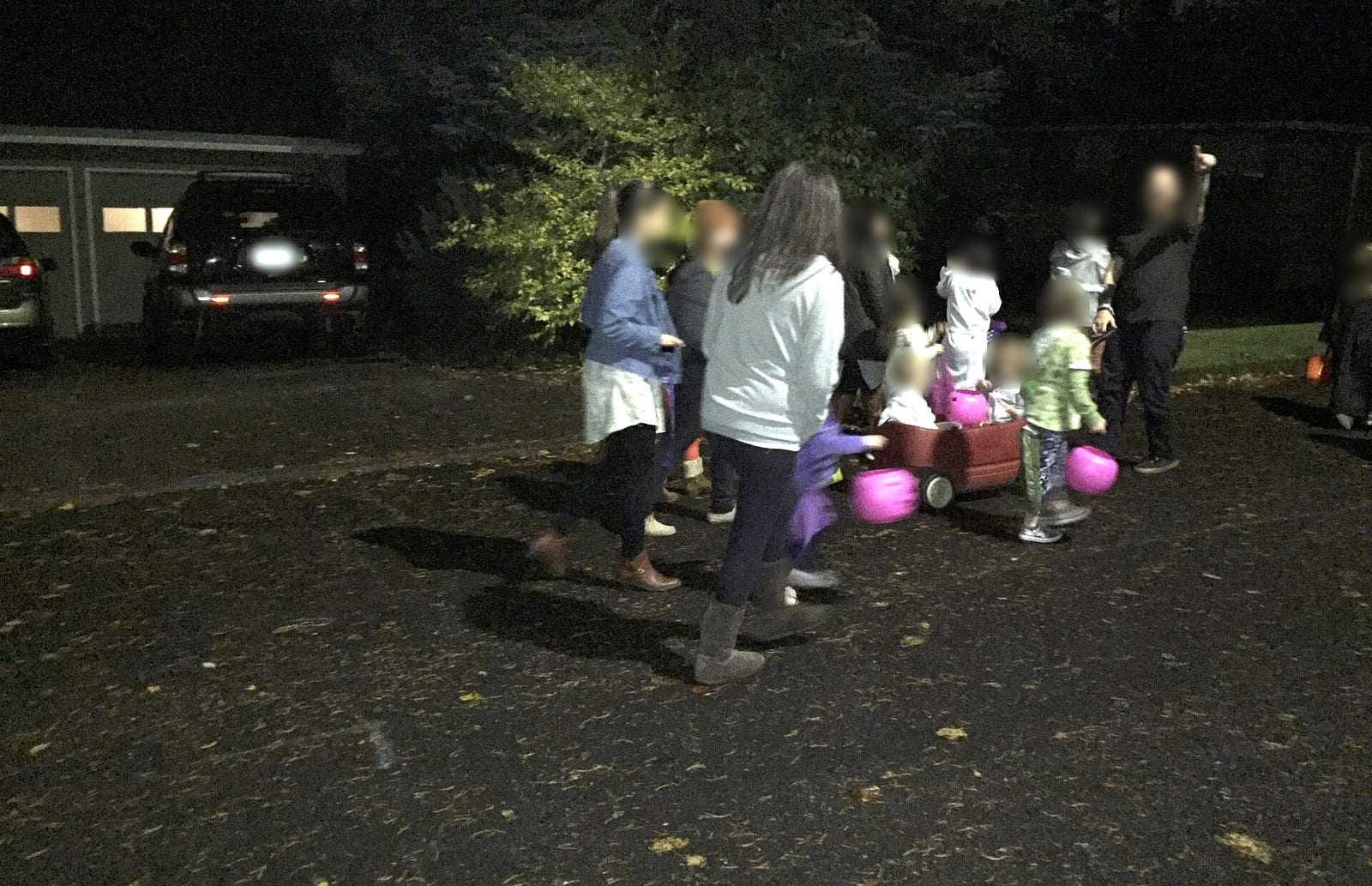
Figure 7: Several adults accompany children trick-or-treating door to door on Halloween night. Source: Parker Knight / Wikimedia Commons / CC BY 2.0
The same understanding runs through the year.
1. In the car: children ride in car seats. NHTSA organizes free car seat checks every September. In 2024, 39% of children killed in car crashes were unrestrained.
2. Missing children: in 1996, Amber Hagerman, a 9-year-old girl in Texas, was abducted and murdered. America then built the AMBER Alert system named after her, which pushes alerts to mobile phones in the affected area. By the end of 2025, 1,312 children had been recovered because of AMBER Alerts, at least 252 of them through phone alerts.
3. In parked cars: NHTSA encourages bystanders who see a child left alone in a car to call 911 immediately.
4. On the way to school: many school crossings have crossing guards who stop traffic with STOP signs and escort children across the street.
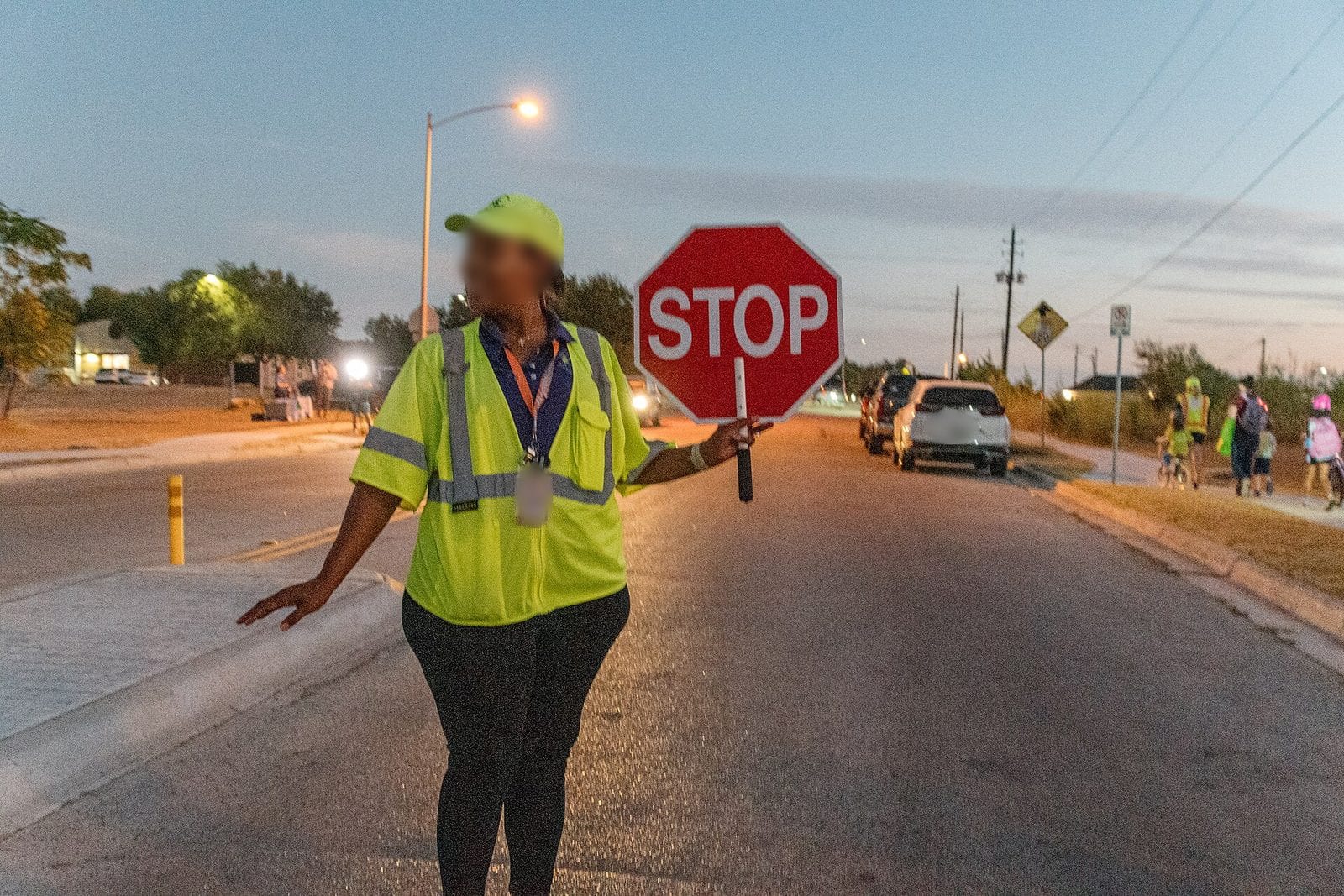
Figure 8: A crossing guard in Austin, Texas, holds up a STOP sign as children walk to school. Source: Austin Transportation and Public Works / Wikimedia Commons / Public domain
Most of these rules are not enforced by fines. Porch lights, teal pumpkins and accepting treats at the door are all unspoken agreements among neighbors. Institutions repeat the reminders year after year, passing these agreements on to each new generation of parents.
Conclusion
Tomorrow evening, children will put on their costumes, pick up their pumpkin pails and head out, with adults following behind, to knock on the doors with lights on. On Sunday morning, many families will turn their clocks back an hour and press the test button on their smoke alarms.
In America, reminding before the holiday is a year-round habit. The Red Cross, hospitals, fire departments and government agencies use data to find the most dangerous days and bring precautions into every home. Children’s safety is looked after together by parents, neighbors, schools and passersby. For Chinese families new to America, learning to read these reminders is also a way to get to know their community.
Note: All images are from Wikimedia Commons and used under their respective licenses; faces and license plates have been blurred in some images.