What World Cup Stadiums Reveal About the American Sports Economy
All 11 US stadiums at the 2026 World Cup were existing NFL venues. Not one was newly built. · Total attendance of about 6.81 million broke the 1994 record · NFL games, college football and concerts keep a stadium busy all year round. · From $2 hot dogs to tickets costing more than $10,000, going to the game is part of American life.
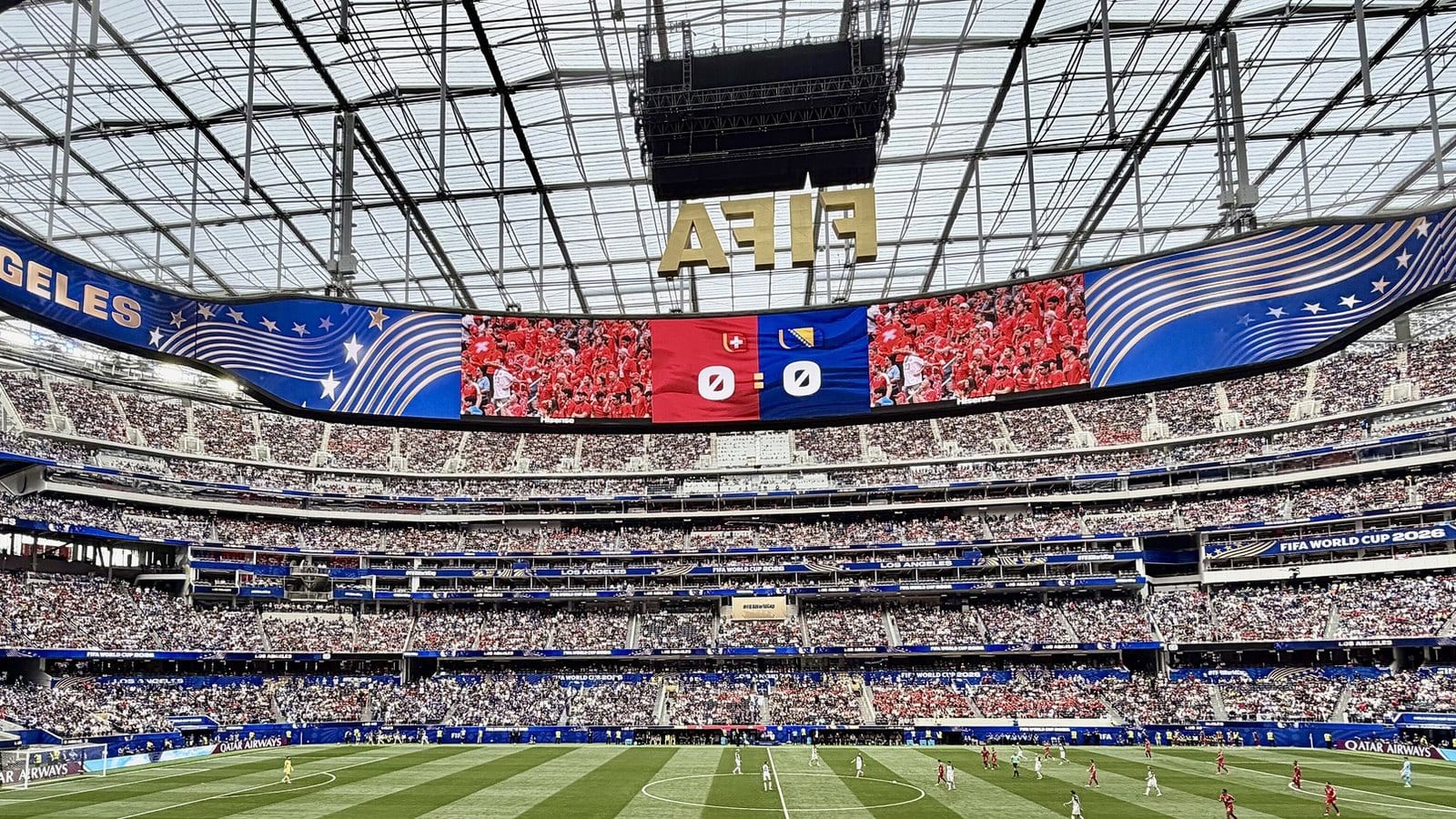
Photo: Alexis Doine, via Wikimedia Commons
· All 11 US stadiums at the 2026 World Cup were existing NFL venues. Not one was newly built.
· Total attendance of about 6.81 million broke the 1994 record, but the per-match average record still stands.
· Some stadiums are paid for privately by team owners, others lean on public subsidies, and most economists are skeptical of the subsidies.
· NFL games, college football and concerts keep a stadium busy all year round.
· From $2 hot dogs to tickets costing more than $10,000, going to the game is part of American life.
A World Cup Without a Single New Stadium
On July 19, Spain beat Argentina 1–0 in extra time at MetLife Stadium in New Jersey to win its second World Cup, as more than 80,000 fans packed the stands. This was the first World Cup expanded to 48 teams and 104 matches, co-hosted by the United States, Canada and Mexico, with the US providing 11 of the stadiums. Those 11 venues had one thing in common: every one was an existing NFL stadium. Before the tournament, crews laid natural grass and widened the fields to FIFA standards; afterward, everything went back to the way it was. Even SoFi Stadium, the newest of the tournament's 16 venues, was built for the NFL back in 2020.
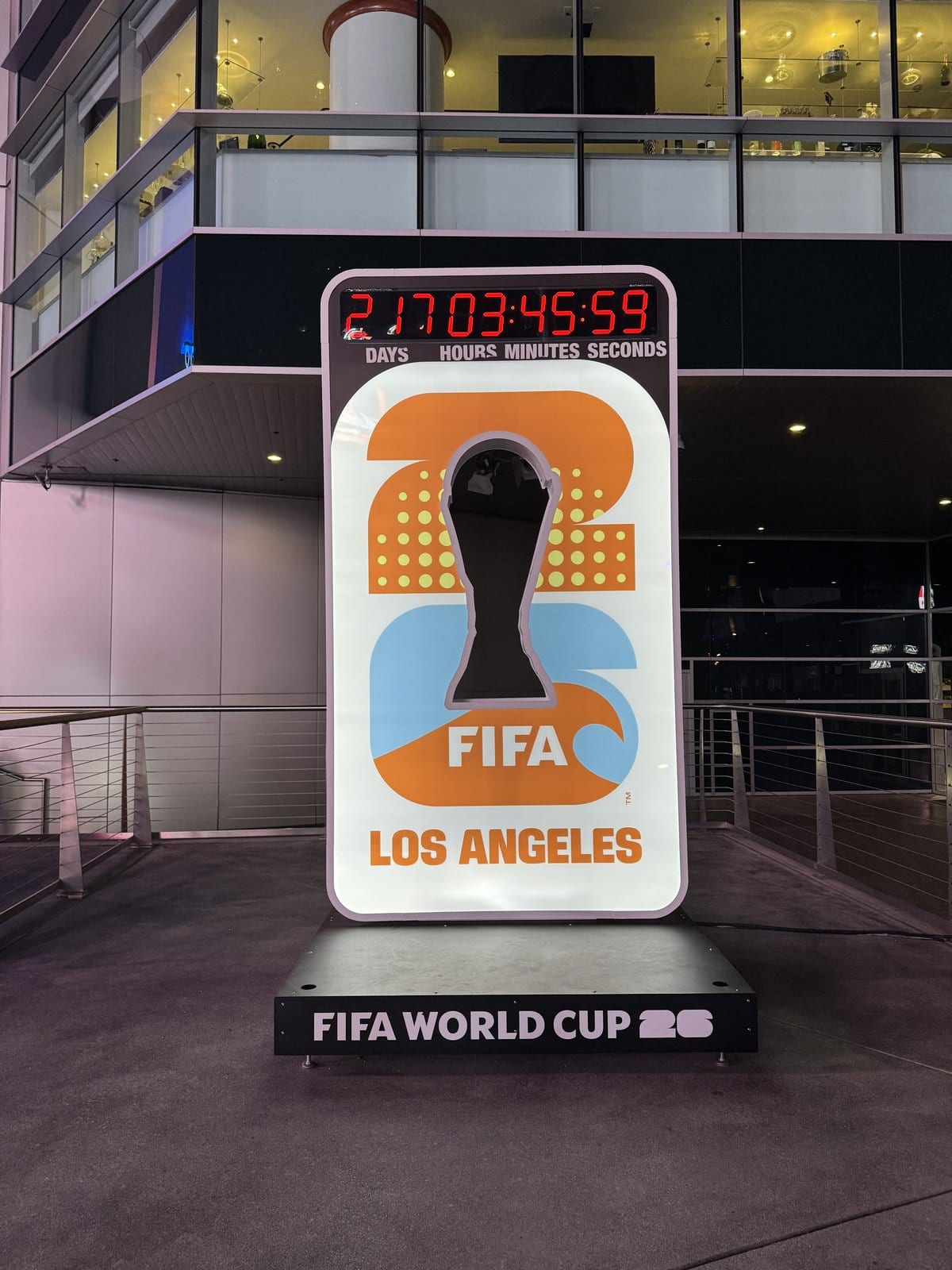
WeCross field observation: A World Cup countdown on a Los Angeles street
Skipping new construction didn't hurt attendance. According to FIFA, the tournament drew 6,810,966 fans with stadiums 99.7% full, far surpassing the record of roughly 3.59 million set at the 1994 World Cup in the US. One caveat, though: the total broke the record mainly because the number of matches doubled. The average this time was 65,490 per match, still below 1994's 68,991, so the per-match record still belongs to the tournament of 32 years ago.
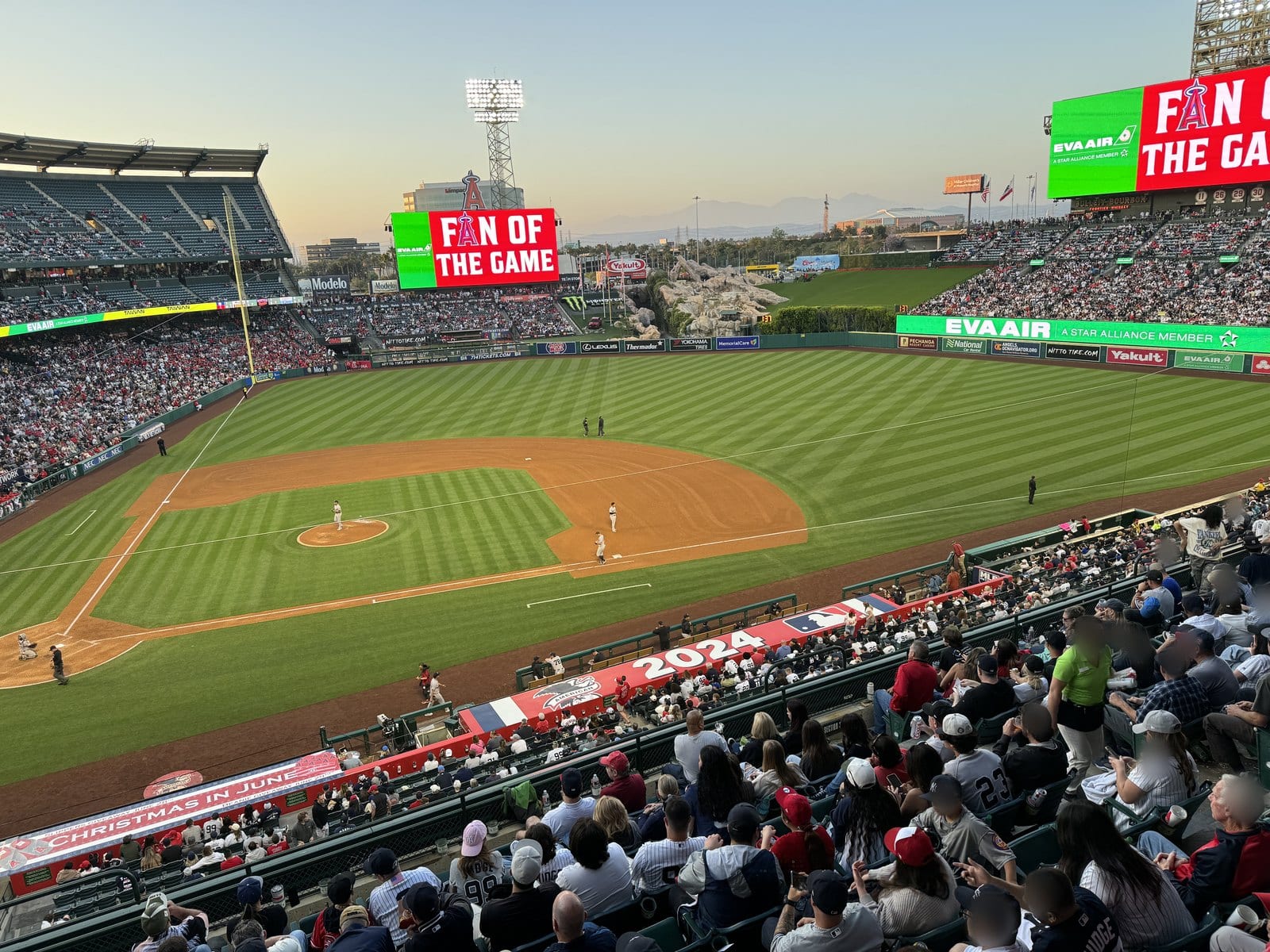
WeCross field observation: Fans fill the stands at Angel Stadium at sunset
The fact that the US could line up 11 ready-made big stadiums so easily says something in itself: the country has long had a mature economy built around going to the game.
Who Pays for the Stadiums
SoFi Stadium sits in Inglewood, on the southwest side of the Los Angeles area, and is home to both the Rams and the Chargers. It normally seats about 70,000 and can expand to 100,000. Reports put the cost of the whole project, including the surrounding development, at more than $5 billion, and Guinness World Records lists it as the most expensive stadium ever built. The money came from Rams owner Stan Kroenke through private funds and financing, with no public construction dollars. The local government offered only tax breaks.
One way a private owner earns that money back is by selling naming rights. Fintech company SoFi bought the stadium's name for more than $30 million a year over 20 years, according to Sports Business Journal, the largest naming-rights deal in the US at the time. The Samsung-built Infinity Screen inside, a double-sided, ring-shaped video board covering 70,000 square feet, is another product of commercial partnership.
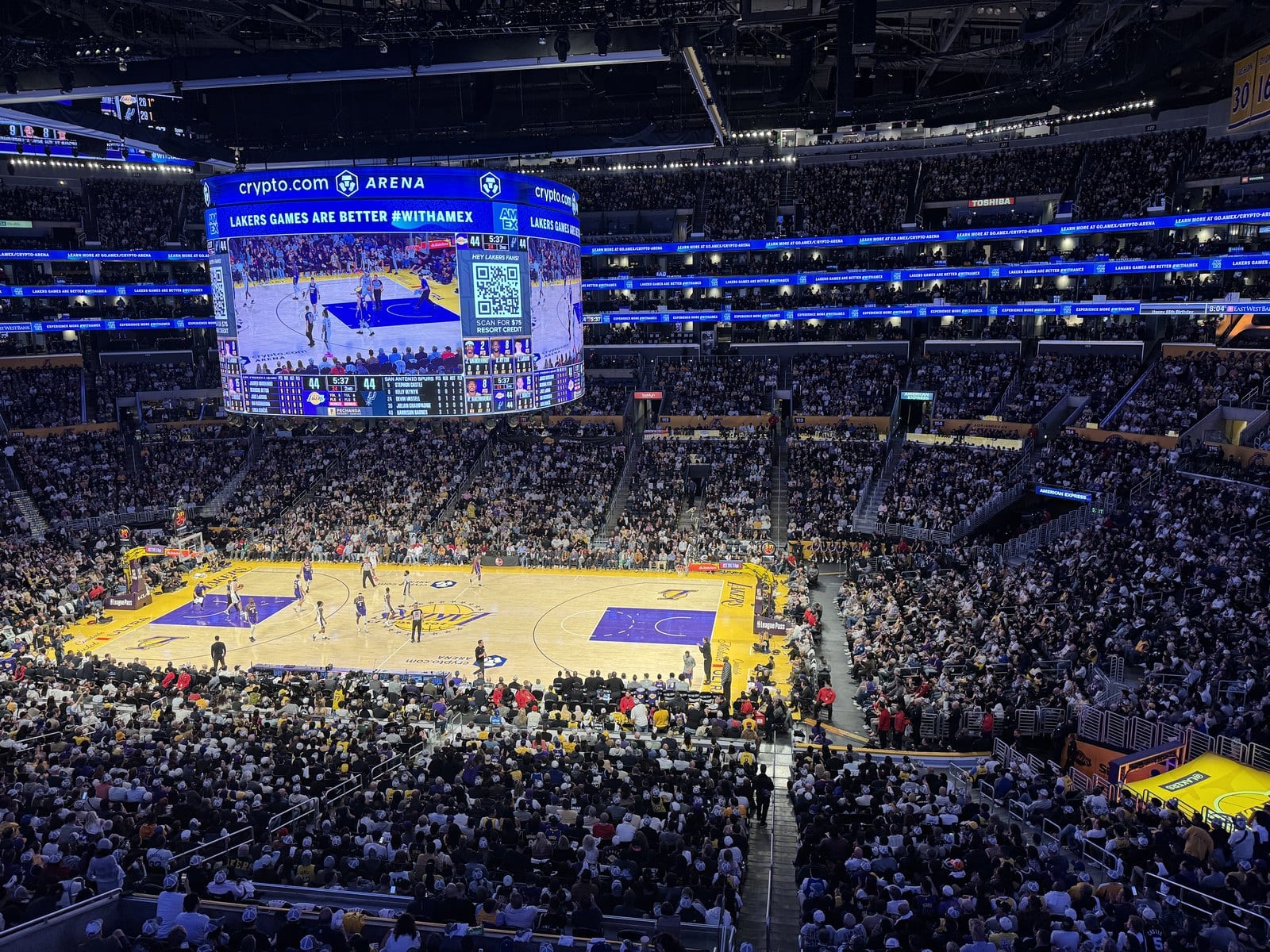
WeCross field observation: Crypto.com Arena in Los Angeles, named for its corporate sponsor
But many more stadiums depend on public subsidies. According to a 2022 research review by economists Bradbury, Coates and Humphreys, state and local governments in the US and Canada put about $33 billion in public money into major-league venues between 1970 and 2020. The median public share of construction costs was about 73%, though that share has been falling over time. The Buffalo Bills' new stadium, which opened in June, cost $2.1 billion, with New York State and Erie County together contributing $850 million.
Are the subsidies worth it? The mainstream view among economists is that new stadiums do little for local economies: the extra money fans spend at the stadium is often money they would otherwise have spent at local restaurants and movie theaters. Supporters counter that the civic identity and pride that come with keeping a team in town are hard to put a price on. Atlanta's Mercedes-Benz Stadium sums up the debate. It cost about $1.6 billion, and the headline public contribution was $200 million. But according to The Guardian, once years of hotel-tax revenue are counted, even team owner Arthur Blank has acknowledged that the public money is worth close to $700 million in present value.
Busy All Year Long
A stadium that costs billions of dollars to build can't get by on eight or nine NFL home games a year. It has to stay busy all year.
1. The NFL is the foundation. According to Sports Business Journal, the 272 games of the 2025 NFL regular season averaged 69,055 fans, and 12 of the 32 teams sold more than 100% of their seats. Season tickets, suites and personal seat licenses (PSLs) are a team's most reliable revenue.
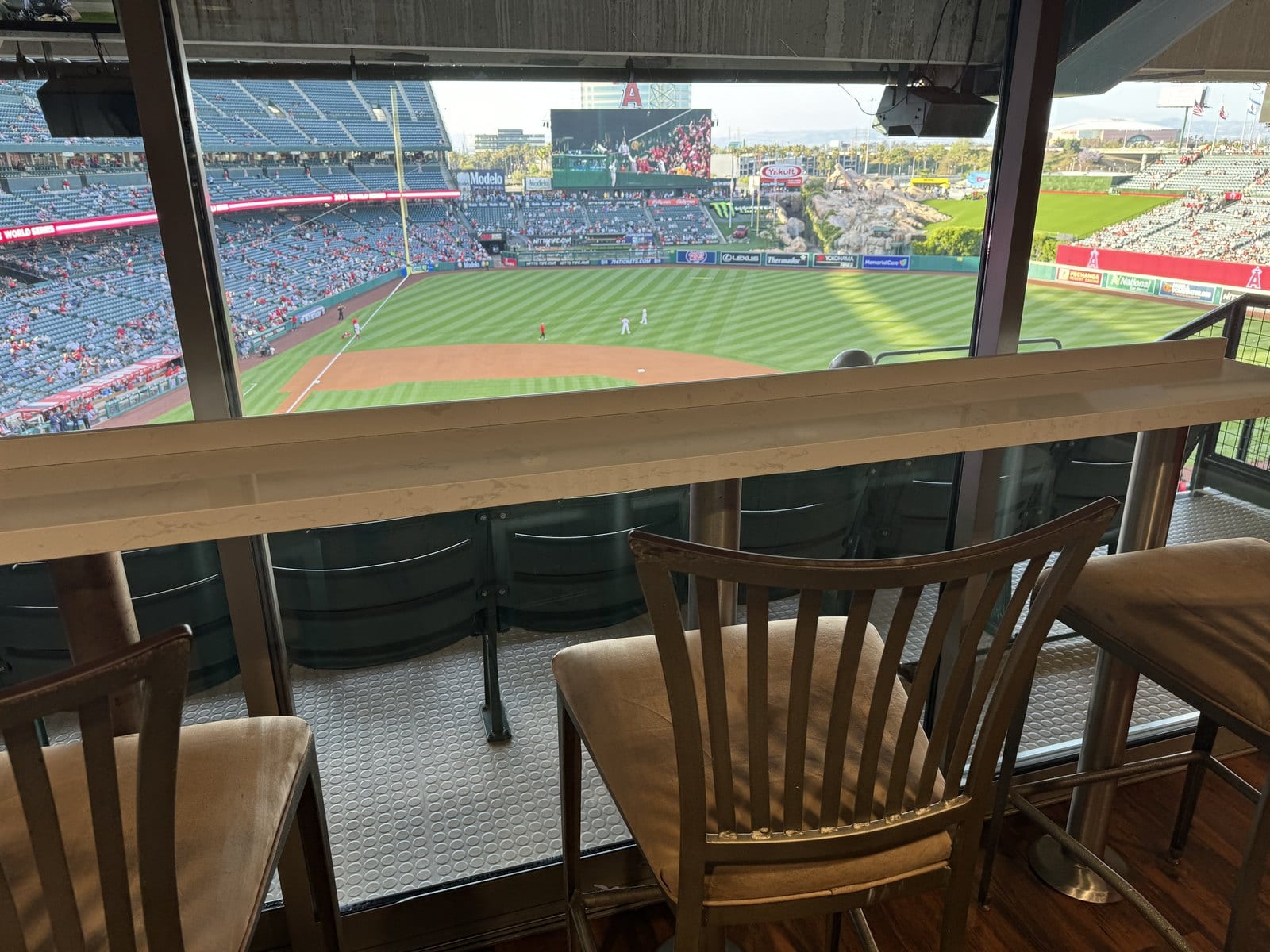
WeCross field observation: A suite at Angel Stadium, with the field right outside the window
2. College football is the second tenant. NFL stadiums regularly host college games and playoff games. SoFi Stadium hosted the College Football Playoff final in 2023, and Mercedes-Benz Stadium hosted the national championship game in 2018.
3. Concerts are the most lucrative extra dates. Taylor Swift's Eras Tour played 53 shows at 20 NFL stadiums, including six straight nights at SoFi Stadium. According to Sportico, nearly all the ticket revenue went to the artist, but teams still netted more than $4 million a night from food and drinks, parking, merchandise and suites.
Add in marquee events like the Super Bowl, the World Cup and the 2028 Los Angeles Olympics, and only then do a stadium's naming rights, suites and season tickets really pay off.
From $60 to More Than $10,000
World Cup tickets tell the story in miniature. According to FIFA, group-stage tickets started at $60, and the priciest seats for the final cost $6,730. This was also the first World Cup to use dynamic pricing, so prices for high-demand matches kept climbing. The Los Angeles Times reported that the average resale price for the final topped $10,000, with a single ticket going for as much as $32,502.
Big American events aren't cheap either. For Super Bowl LX in February, the average sale price in the days before the game was about $7,700, according to ticketing site TicketNews, making it the second most expensive Super Bowl on record. A 2025 survey by Ally Bank found that American fans spend about $1,600 a year on average supporting their teams, and 57% admit to going over budget. The research firm World Data Lab estimates that Americans spend about $388 billion a year on sports, more than the next 25 countries combined.
But a willingness to spend doesn't mean it's all sky-high tickets. In America, going to the game is more of a way of life.
1. A party in the parking lot. On game day, fans drive to the stadium hours early, pop open their trunks and fire up the grill. It's called tailgating. According to a YouGov survey, about 27% of Americans have tailgated before a college game, and about a third of them never actually went inside.
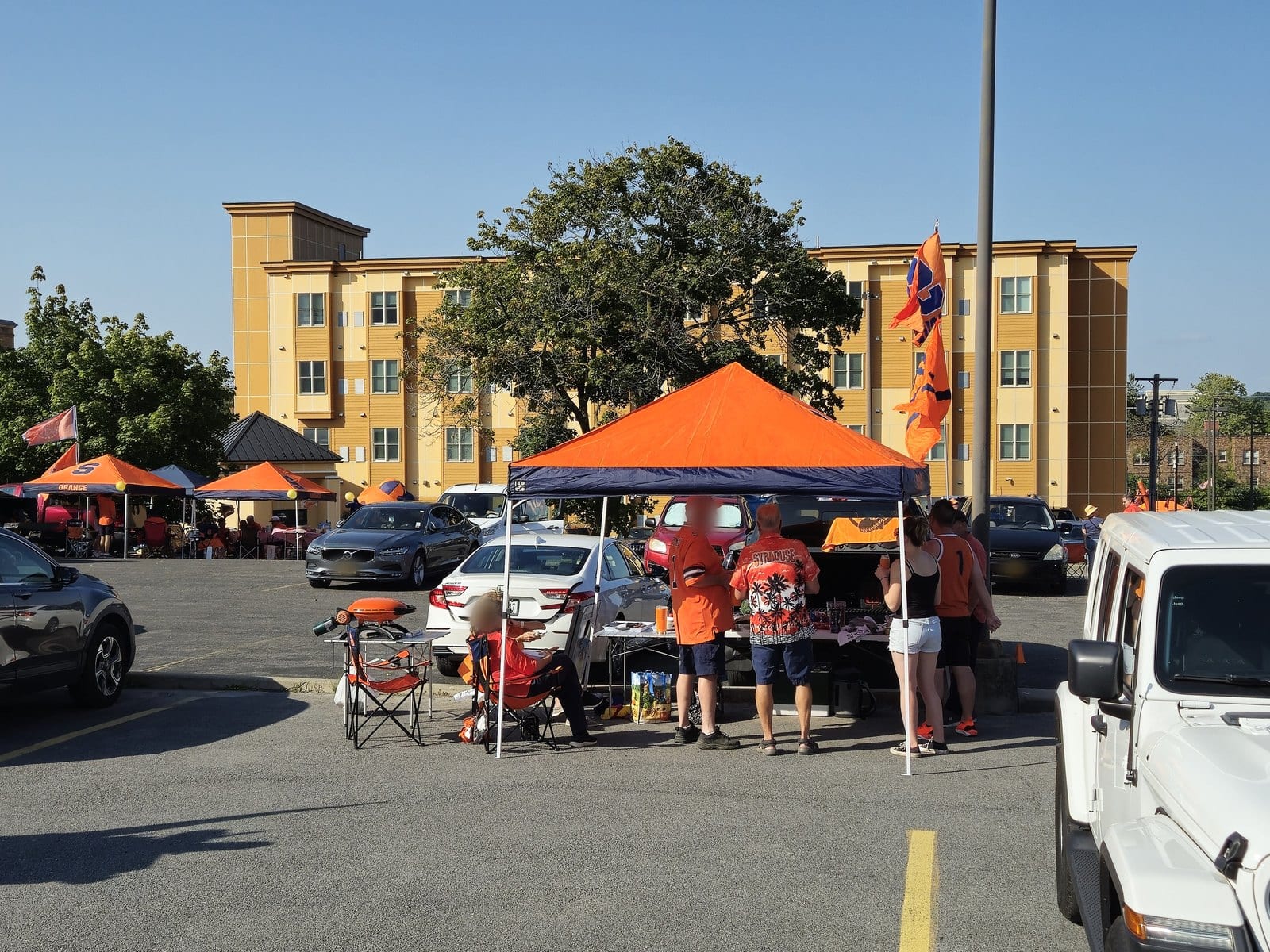
Syracuse University fans tailgating in the parking lot. Photo: Kiran891, CC BY-SA 4.0, via Wikimedia Commons
2. College football Saturdays. According to the NCAA, total attendance at top-division (FBS) games reached a record of about 38.97 million in the 2025 season. The University of Michigan once drew 115,109 fans to a single home game, and the University of Nebraska has sold out every home game since 1962.
3. The $2 hot dog. Mercedes-Benz Stadium pairs LEED Platinum-certified green design and a 360-degree Halo Board video ring with $2 hot dogs and refillable drinks. The stadium says a family of four can eat for $28.

A hot dog at the ballpark. Photo: Waz8, CC0, via Wikimedia Commons
Watching the Game, Seeing America
So why are Americans so willing to spend on sports? Behind it is a system that has been running for decades. Private capital and public money together build the big stadiums. The NFL, college football and concerts keep them full all year. And fans, through season tickets, tailgating and college football Saturdays, make sports part of everyday life. That the World Cup could set an attendance record without building a single new stadium is a direct result of this system.
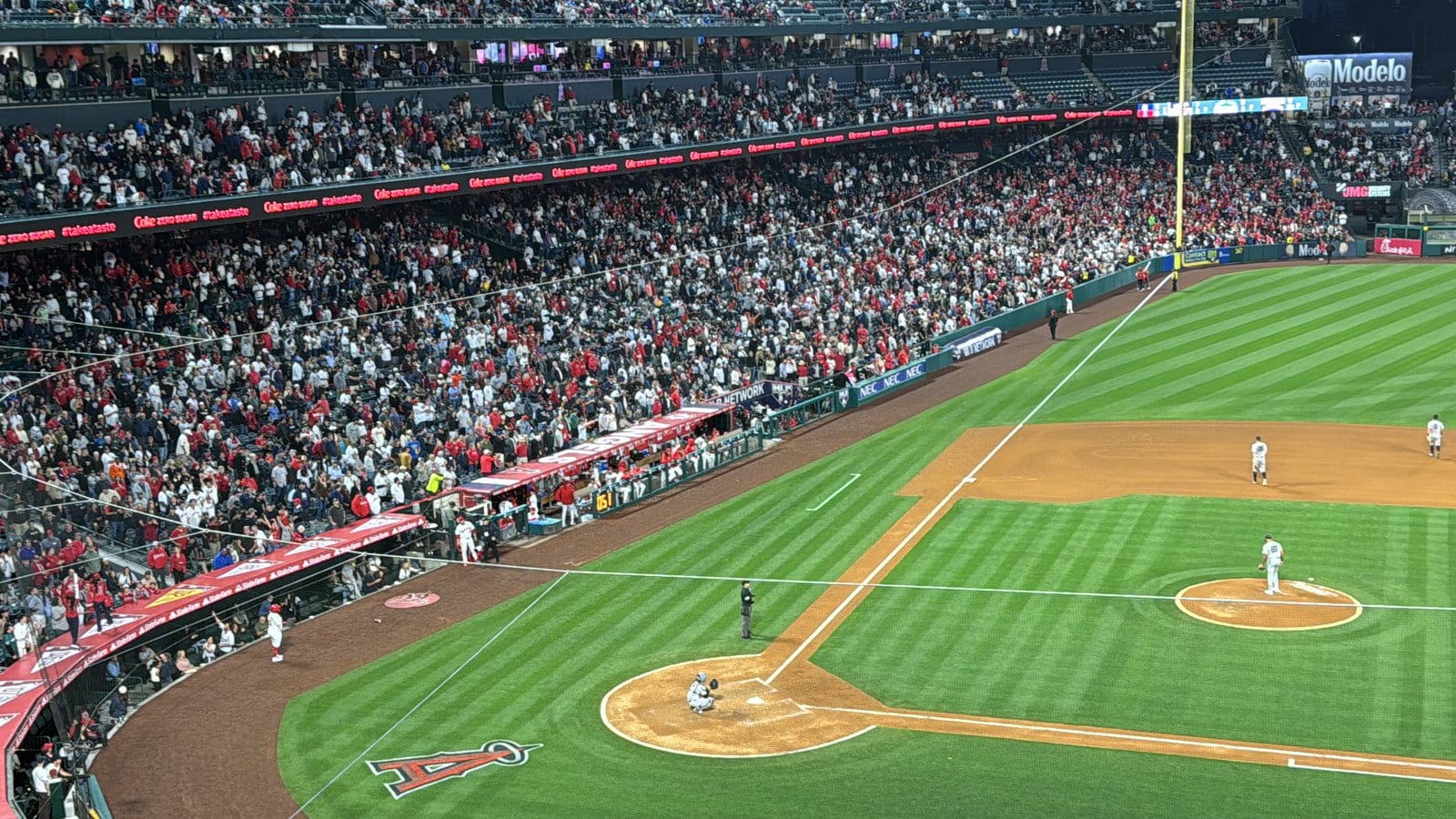
WeCross field observation: Angel Stadium at dusk, with a game under way
For anyone living in the US, a game is also a window into the society. How much a city will pay to keep its team, how a family spends its weekend, who the crowd is cheering for: it's all written into these stadiums.
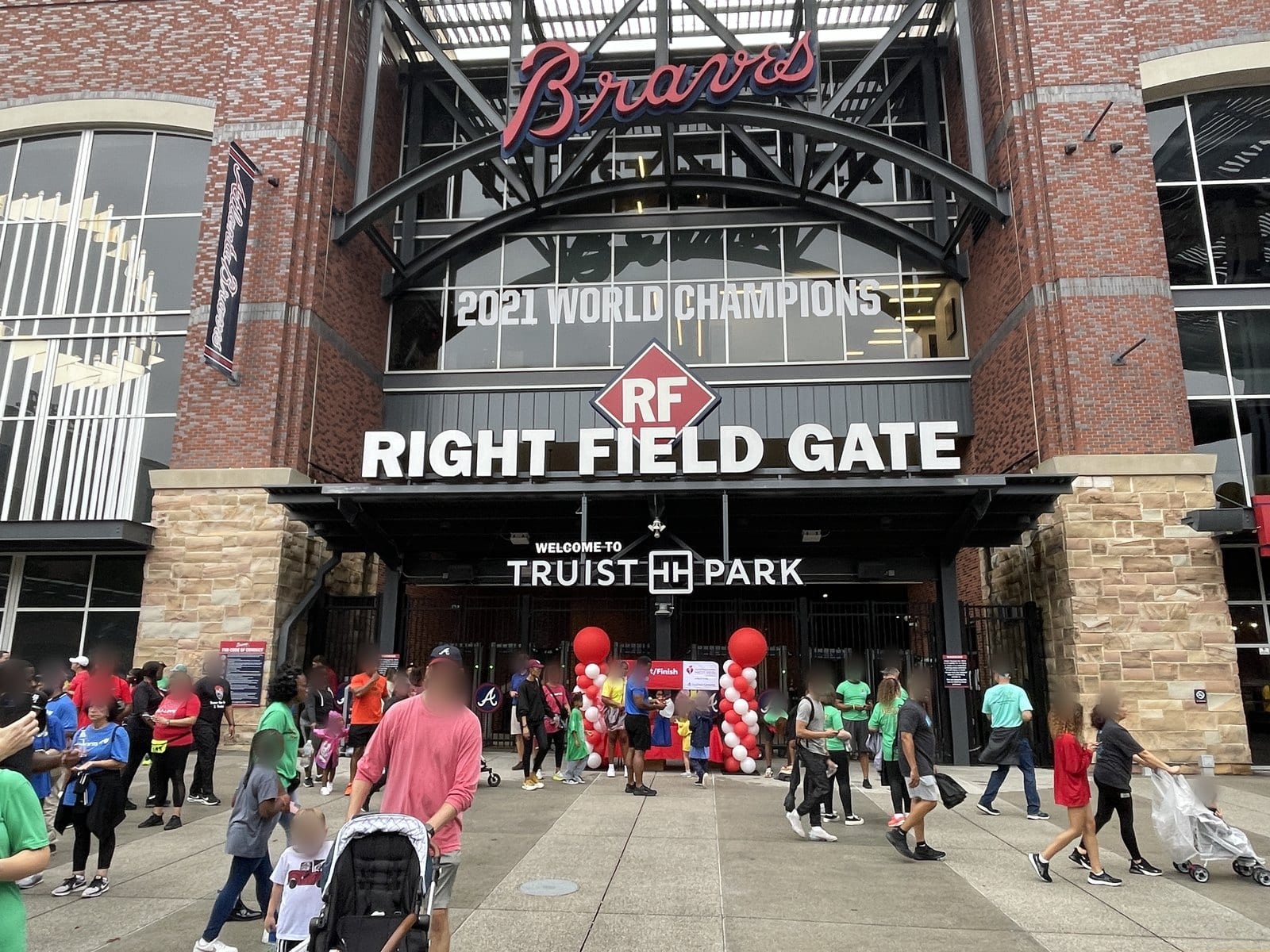
WeCross field observation: The entrance to Truist Park, home of the Atlanta Braves