Chinese Students in the US Might Want to Take a Closer Look at Chinese Companies Here
Rather than fighting over a limited number of jobs at big Silicon Valley tech companies, international students may do better at Chinese companies in the US. · Chinese companies in the US are hiring across tech, manufacturing, finance, restaurants, tea drinks and more. · Many job postings list Chinese as a requirement, making bilingual and cross-cultural skills a real advantage. · These companies do sponsor H-1B visas for foreign hires, and pay varies widely by industry and role. · As more Chinese brands expand overseas, opportunities for Chinese students in the US will keep growing.
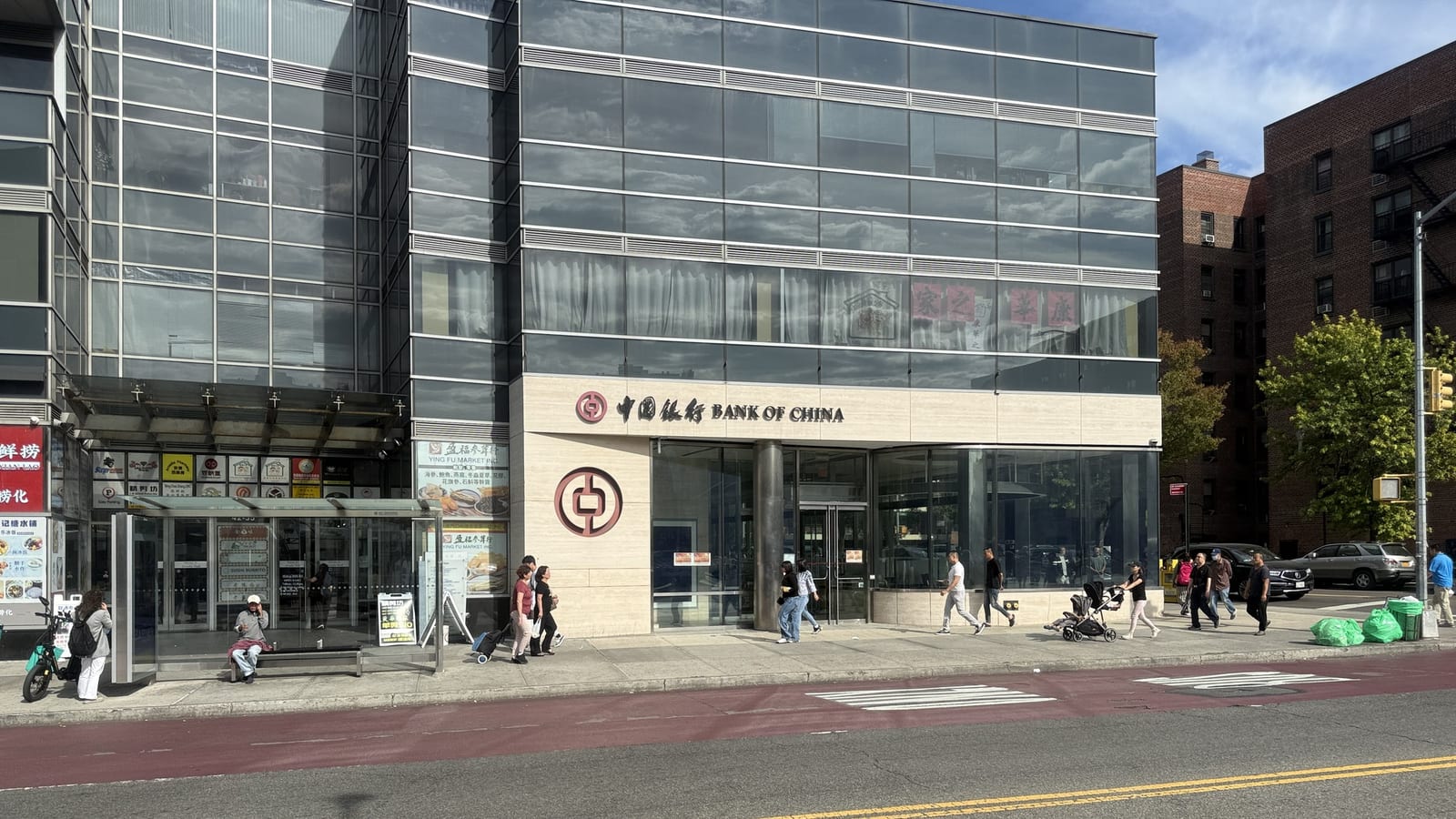
Photo: 4300streetcar, CC BY 4.0, via Wikimedia Commons
· Rather than fighting over a limited number of jobs at big Silicon Valley tech companies, international students may do better at Chinese companies in the US.
· Chinese companies in the US are hiring across tech, manufacturing, finance, restaurants, tea drinks and more.
· Many job postings list Chinese as a requirement, making bilingual and cross-cultural skills a real advantage.
· These companies do sponsor H-1B visas for foreign hires, and pay varies widely by industry and role.
· As more Chinese brands expand overseas, opportunities for Chinese students in the US will keep growing.
OPT and H-1B policies have been see-sawing lately while gradually tightening. For international students already in the US or on their way here, rather than fighting over a limited number of jobs at the big Silicon Valley tech companies, it may make more sense to look at Chinese companies operating in the US. They could well be the better choice.
Who's Hiring
These opportunities are not rare. Chinese companies hiring in the US are no longer just a handful of overseas representative offices. By industry, they fall roughly into four groups.
1. Tech companies: plenty of jobs, high pay. TikTok is the clearest example. In January, TikTok's US joint venture was formed, with Oracle, Silver Lake and MGX each holding 15% and ByteDance keeping 19.9%. According to Reuters, TikTok has more than 7,000 employees in the US, concentrated in San Jose, California; Bellevue, Washington; and Los Angeles. Fast-fashion e-commerce company SHEIN has its US headquarters in Los Angeles and its tech team in San Diego, and it directly employed more than 1,700 people in the US in 2023. Lenovo's US headquarters is in Morrisville, North Carolina, and this year the company invested $145 million to double the size of its factory in Whitsett, also in North Carolina, which builds AI servers. Headcount there is expected to grow to about 1,000.
2. Manufacturers: putting down local roots. BYD had just six employees in the US in 2013. Today it has more than 1,000, including about 750 union workers at its electric bus factory in Lancaster, California, which also runs an apprenticeship program with the union and a local community college. Hisense has moved its US headquarters from Suwanee to Alpharetta, Georgia, and its TVs and appliances are sold through major retailers such as Best Buy, Walmart and Costco. The most vivid story is Synear's. In 2015, it bought Nestlé's former Hot Pockets plant in Chatsworth, in Los Angeles, and turned it into a dumpling factory. A decade later, Synear's soup dumplings are in Costco stores nationwide.
3. Financial institutions: stable, long-established employers. Bank of China is the oldest and largest Chinese bank in the US, with branches in New York City, Queens, Chicago and Los Angeles. Its core businesses are trade finance, RMB clearing and corporate banking, and its website makes a point of highlighting its “bilingual professional team.”
4. Restaurants and tea drinks: the newest wave. As of June, Haidilao had 22 restaurants in North America, where the average check is about $41 per guest. HEYTEA opened its first US store in Manhattan in late 2023 and now has more than 45, and in October it opened an ice cream concept store in Union Square. Luckin opened its first two stores in New York in June 2025 and had 22 by this September. Chagee has opened nine locations in California, and CEO Junjie Zhang says he wants to bring the tea-drinking habit to America the way Starbucks did when it entered China. Mixue opened its first US store on the Hollywood Walk of Fame, selling $1.19 soft-serve cones, with ordering kiosks in both Chinese and English. Beyond the storefronts, these brands' US headquarters also need talent in supply chain, operations, design and human resources.
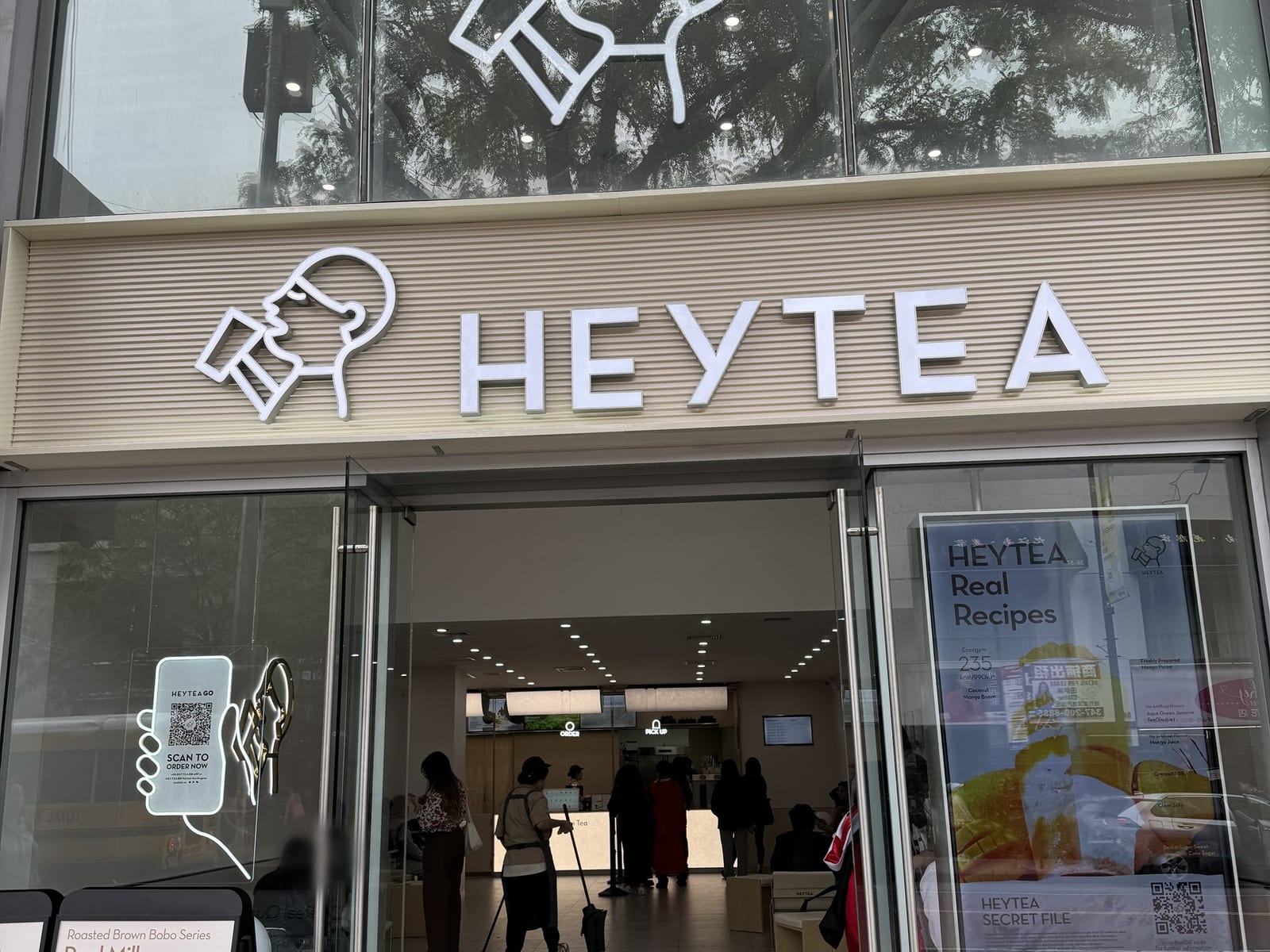
WeCross field observation: A HEYTEA store in Flushing, New York
Chinese Is in the Job Description
You don't have to guess what edge international students have at these companies. It's spelled out in the job postings. In our review of the companies' public career pages on October 19, 9 of BYD's 21 posted US jobs mentioned Chinese, as did 7 of SHEIN's 20.
1. Chinese required. BYD's opening for an energy storage project manager in Pasadena explicitly requires Chinese-English bilingualism. Hisense is hiring a bilingual data engineer in Alpharetta who must speak and write both languages fluently. TikTok's ad product internship in San Jose calls for proficiency in Chinese, so the intern can communicate smoothly with partners in Chinese-speaking markets and understand cultural nuances.
2. Chinese preferred. SHEIN's seller onboarding specialist role in Los Angeles pays $30 to $33 an hour and “strongly prefers” bilingual candidates. BYD's HR administrator role pays $72,000 to $78,000 a year, with a preference for Chinese-English bilingual candidates. SHEIN's senior database engineer role in San Diego pays $150,000 to $200,000 a year and also lists Chinese-English bilingualism as a plus.
3. Able to work across two cultures. One SHEIN security engineer posting says candidates must be able to coordinate technical decisions with “teams whose primary working language is Chinese.” What many of these roles really value isn't just the ability to speak Chinese, but the ability to explain things clearly and get things done between headquarters in China and the US market.
What these jobs require is language and cross-cultural skills, not a particular nationality, and US job postings generally include an equal employment opportunity statement. International students who were educated in the US and know Chinese culture happen to have both.
These Companies Sponsor Work Visas
For international students, whether an employer will sponsor an H-1B work visa is often the biggest question when choosing a job. Public Labor Condition Application (LCA) data from the US Department of Labor show that all of these Chinese companies are filing on behalf of foreign employees. Keep in mind that an LCA is a preliminary step in the H-1B process, and one LCA does not equal one approved visa. According to data compiled by h1bdata.info:
1. Tech companies file the most. In 2025, TikTok's US entity filed about 900 LCAs and ByteDance's US entity about 1,160, mostly for software and machine learning engineers, with median reported salaries between $190,000 and $210,000.
2. Manufacturing and finance are steadier. Bank of China files about 50 a year, mostly in New York, largely for associate and AVP roles in compliance, risk management and clearing, with a median of about $83,000. Lenovo's two US entities filed about 120 combined in 2025, with a median of about $107,000. Hisense files a dozen or so a year, with a median of about $75,000.
3. Newer brands are starting to file too. HEYTEA's US entity filed nine in 2025, for roles including supply chain analyst and associate director of space design. Synear, Haidilao and Chagee also file a small number each year.
Pay varies widely, from $60,000 to $70,000 at restaurant brands' headquarters to around $200,000 at tech companies, depending on the industry and the role. There is no single “Chinese company salary.”
As Chinese Brands Go Global, Opportunities Grow
From the electric bus factory in Lancaster to algorithm teams in San Jose, from bank clearing departments in New York to tea shops in Hollywood, the footprint of Chinese companies in the US keeps getting wider. They need people who understand products and technology, and even more, people who can connect headquarters in China with the US market.
Policies will rise and fall, but the direction is clear: more and more Chinese brands are going global and putting down roots in the US. Chinese students who were educated here and are fluent in both languages and cultures will have more and more opportunities.