Synear in the United States: From Ethnic Retail to Membership Clubs
A brand case on local production, channel sequencing, and packaging for a broader U.S. audience.
Synear did not treat the United States only as an export destination. It built production capacity in Southern California, proved demand in Chinese channels first, and then moved step by step into mainstream membership retail. Its value lies not in a shortcut to copy but in showing how localization is built layer by layer.
Synear logo
Introduction
Rules affecting U.S.-bound imports were tightening in September 2026: importer-of-record (IOR) identity checks, electronic entries for international mail, and the prospect of renewed port fees and compliance costs. What some in the industry called “three heavy blows” was shifting responsibility back to real importers and verifiable data. Amazon, meanwhile, continued to raise requirements for Chinese cross-border sellers around platform rules, product compliance, and fulfillment. Many independent sites remained stuck in a cycle of listing products while hearing little from customers: traffic was expensive, repeat purchases thin, and brand visibility still short of mainstream supermarkets. Platforms such as Temu and Shein also faced the loss of direct-shipping advantages as low-value channels narrowed and tariffs and compliance costs rose.
Together, these changes point to the fading of a pure cross-border or stand-alone-site channel advantage. Building a durable U.S. business increasingly depends on local supply, local channels, and an understanding of local consumers.
That is the route Synear took. Rather than treating the United States as a distant warehouse or traffic pool, it bought a California factory, first opened doors through Chinese supermarkets and Asian distribution, and then localized its brand and packaging to enter Costco, Sam’s Club, and mainstream grocery stores. Pork soup dumplings reached Costco’s national U.S. assortment, while bite-sized dumplings reached more than a hundred Sam’s Club locations. Behind those visible results is a local-business path that can be described step by step: what the company did and what each move made possible.
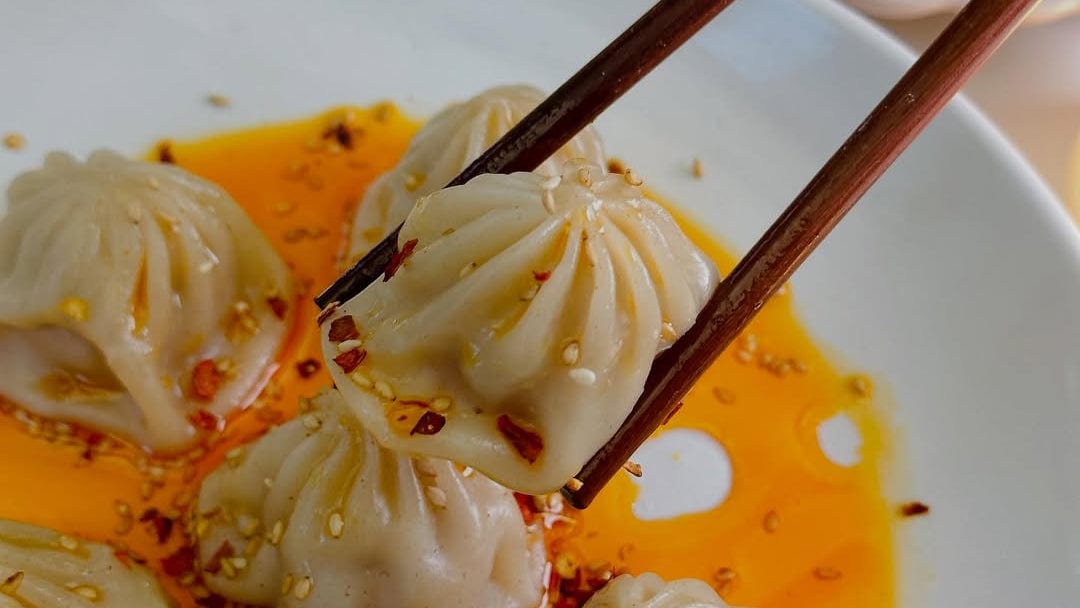
Figure 1. Pork Soup Dumplings product scene (synearusa.com).
1. What Synear has built in the United States
Founded in Zhengzhou in 1997, Synear is one of China’s leading producers of frozen rice- and flour-based foods, including dumplings, tangyuan, buns, and wontons. It also participated in supplying frozen foods for the 2008 Beijing Olympics. In the U.S. market, the parent company went beyond export registration and the comfort of Chinese retail channels. It established Synear Foods USA in Southern California, produced key meat-containing dumplings locally, and built a clear progression toward mainstream membership clubs.
The U.S. business rests on three foundations:
- Local manufacturing. A frozen-food plant of about 190,000 square feet in Chatsworth produces meat-containing products under the USDA system. It has SQF Level 3 certification and the additional audit capability needed for Costco.
- A channel ladder. Asian wholesalers and Chinese supermarkets led to Asian e-commerce, then the Costco system—first Canada and Mexico, later U.S. national distribution—followed by Sam’s Club and mainstream grocery.
- Shelf language. Distinctive Chinese foods such as soup dumplings, shumai, and bite-sized dumplings created an entry point. Work with the California Manufacturing Technology Consulting organization (CMTC) shifted packaging from cues aimed at Chinese supermarkets to a visual language for mainstream shelves.
The following sections connect each stage of the route with its outcome.
2. The steps behind the result
2.1 California production: turning Chinese recipes into scalable U.S.-made goods
Nestlé closed its Hot Pockets factory in Chatsworth in 2014. The following year, Synear purchased the roughly 189,170-square-foot facility (often given as about 190,000 square feet in company materials) at 9601 Canoga Avenue, Chatsworth, California 91311, establishing Synear Foods USA. Buying existing frozen-food capacity and cold-chain facilities shortened the time needed to begin production. Southern California offered a major Chinese-consumer market and a West Coast distribution hub.
About two years later, the factory began producing items such as Juicy Dumplings. Its SKU range subsequently expanded, including shrimp dumplings, and exports to Canada began. The company has said daily capacity can reach roughly 100 metric tons. Management has described U.S. manufacturing as a long-term brand investment: adapting to local regulation, labor, and supply chains early on allowed Synear to supply its core meat-containing products legally and reliably in the United States, with faster cold-chain response.
The achievement of this step was the foundation itself. “Chinese recipe, made in the United States” became a visible fact in the freezer case. The plant was not a warehouse attached to an export business but the supply center of a local operation. For Chinese-style frozen foods containing meat, the later mainstream-channel steps would have been difficult without it.
2.2 Chinese supermarkets and Asian distribution: opening the door and proving sales
After production began, Synear did not immediately declare that it would enter Costco. It first tested products in channels whose shoppers already understood the flavors. Around 2019, its products entered 99 Ranch Market, Good Fortune, GW Supermarket, and other Chinese-oriented retailers, becoming a leading frozen-food brand in some of those channels. Walong, one of Southern California’s largest Asian-food distributors, also listed Synear among its brands. Asian wholesale distribution was a natural route into Chinese supermarkets.
Entering those stores opened the door. Familiar flavors supported steady turnover. The factory learned local production scheduling, cold-chain supply, and returns. The team gained evidence that products were selling and could be replenished—evidence it could take to a mainstream buyer. Chinese supermarkets were not the destination. Repeat purchases and supply capability were the resources for the next negotiation.
2.3 Asian e-commerce: extending beyond a store’s geography
Synear also worked with platforms such as Weee! and FreshGoGo. It became a significant frozen-rice-and-flour-food supplier on Weee!, reaching an instant-retail network across multiple cities. E-commerce extended the brand beyond the radius of a single store and added sales and review signals for later mainstream-channel discussions. The model was a local brand with local fulfillment, not an American market treated as a remote traffic pool for an independent site.
2.4 Packaging and naming with CMTC: a step Chinese brands often miss
Before opening the mainstream channel, Synear addressed a question many Chinese brands underestimate: how does an ordinary U.S. customer actually see and understand the product?
The products were already selling in retailers serving Chinese customers, but their packaging lacked the brand image and look and feel needed to attract a broader U.S. audience. Synear had made initial contact with Costco and needed to upgrade the brand and packaging before later meetings. It worked with CMTC, part of the NIST Manufacturing Extension Partnership network, on candidate brand names and preliminary trademark searches, then on a final name, a general-market graphic identity, and packaging that would stand out.
After the collaboration, sales increased by about $500,000 and roughly ten jobs were added. Customers responded favorably to the new packaging, which helped advance Costco discussions. Synear also developed products such as chicken dumplings to fit local protein preferences and lowered the cooking barrier with steam or pan-fry preparations of about 10–12 minutes. The later Sam’s Club bite-sized dumplings, smaller pieces with a sauce packet, also matched the portion economics of gatherings and family freezers. The model combined familiar Chinese flavors, local adjustments to ingredients and taste, Western shelf presentation, and package sizes that suited local habits.
The CMTC branding and packaging work was a pivotal stage. Working with a local institution helped Synear understand customers and find a point of connection with mainstream channels. A company does not have to wait until every factory process is “fully ready” before developing its shelf language. Once there is a sales base, a visual and naming upgrade for mainstream retail can be a relatively manageable investment with a visible return.
2.5 Costco: from an ethnic-channel opening to mainstream shelves
With local supply, supermarket evidence, e-commerce signals, and improved shelf language, Synear built its Costco relationship by market and by stage:
- Treat system requirements as capability-building. Discussions centered on SQF and Costco’s more demanding SQF addendum. A complete audit takes about 45 days and covers good manufacturing practices, sanitation standard operating procedures, traceability, and recalls.
- Use a broker for the mainstream entrance. A Chinese-food brand entering mainstream supermarkets often needs an introduction from a broker. The process takes time, but a successful placement is worth much more than remaining only in Chinese supermarkets.
- Choose a product gap and tell a story. Rather than confronting established giants such as Nestlé, Ajinomoto, and CJ head-on with an ordinary pork dumpling, Synear used differentiated foods such as shumai and soup dumplings, then pursued wider distribution with products that invited conversation and social sharing.
- Expand geographically in stages. Costco Canada was an early mainstream club-market step, followed by Costco Mexico. The relationship included earlier trials before Pork Soup Dumplings gained national U.S. distribution. Synear also received a Walmart Golden Ticket and participated in Costco roadshows around Los Angeles with experimental flavors including Wagyu, ube, and chicken soup dumplings.
Entering Costco marked a major step into mainstream retail. Chinese supermarkets had proved that familiar shoppers liked the food. Costco showed that a mass-market U.S. membership club would make freezer space for it. The significance was not merely another customer: the brand could move beyond the image of an imported ethnic-aisle product toward being a locally supplied frozen-food player that ordinary households might buy repeatedly. Expansion into grocery chains including Vons, Albertsons, Safeway, Gelson’s, and Bristol Farms ran in parallel. Mainstream trials and the Canadian breakthrough came first; national U.S. distribution of soup dumplings followed.
2.6 Sam’s Club: a second club-retail growth path
After the nationwide Costco step, Synear applied the same local-manufacturing and club-pack logic to Walmart’s membership channel. Pork-and-cabbage bite-sized dumplings launched at selected Sam’s Club locations, reaching about 145–149 stores across more than ten states, including Florida, California, Illinois, and Arizona. The reported retail price was approximately $11.40 per pack of about 60 dumplings plus a sauce packet.
Sam’s Club demonstrates repeatability. A mainstream breakthrough is usually built in stages, not in a single mythical leap. Entering one membership club is not the end of the story. Showing that the same supply and packaging system can work in a second club channel is stronger evidence that the local business has taken hold.
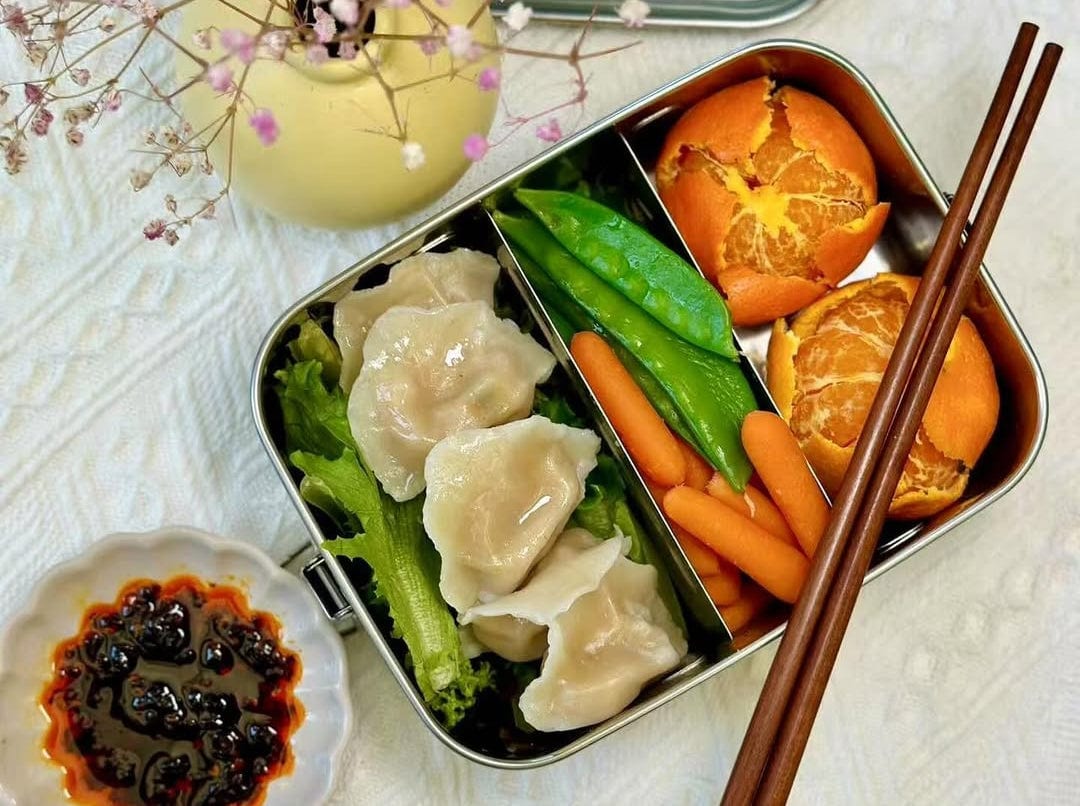
Figure 2. Juicy Dumplings product scene (synearusa.com).
3. Results along the path
| Milestone | Visible result |
|---|---|
| California factory | About 190,000 square feet of frozen-food production in Chatsworth; meat-containing dumplings under the USDA system; company-stated capacity around 100 metric tons per day |
| Food-safety system | SQF Level 3 and ability to meet the Costco addendum audit |
| Chinese supermarkets | A strong frozen-food position at 99 Ranch, Good Fortune, GW, and related channels; Walong distribution |
| Asian e-commerce | A significant supplier on Weee!, FreshGoGo, and related platforms |
| CMTC branding and packaging | Approximately $500,000 in added sales and ten additional jobs; customer approval of the new packaging and progress in Costco discussions |
| Costco | Canada and Mexico before national U.S. distribution of Pork Soup Dumplings; roadshows and Walmart Golden Ticket as parallel signals |
| Sam’s Club | Bite-sized dumplings at selected stores, around 145–149 locations, at roughly $11.40 per pack |
| Other mainstream grocery | Safeway, Gelson’s, Albertsons, Bristol Farms, and others |
The table can also be read in reverse. Without the opening provided by Chinese supermarkets, the leap to Costco would have been harder. Without CMTC’s work on shelf language, a buyer would have had less reason to entrust a nationally distributed SKU to the brand. Without the California factory, the entire structure would have rested on an uncertain foundation. Synear illustrates an integration of manufacturing, channels, and branding—not an advantage created solely by cross-border traffic.
Sources
- Synear USA, About / Journey: https://synearusa.com/pages/about-us — factory size, daily capacity, and channel timeline including Costco Canada, Mexico, and the United States; Sam’s Club and grocery.
- Synear USA, Our Company: https://synearusa.com/pages/our-company — parent-company background, SQF, and address.
- Synear’s Sam’s Club announcement: https://synearusa.com/blogs/news-events/synear-foods-usa-brings-chinese-dumplings-to-sam-s-club-stores
- Refrigerated & Frozen Foods, November 15, 2024 — national U.S. Costco distribution of Pork Soup Dumplings.
- Snack Food & Wholesale Bakery, April 23, 2025 — Sam’s Club launch details, including about 145 stores and a roughly $11.40 price.
- Los Angeles Business Journal, September 2, 2015 — sale of the approximately 189,170-square-foot Nestlé Chatsworth facility to Synear.
- Los Angeles Times, August 2014 — background on the Nestlé plant closure.
- CMTC and Frozen & Refrigerated Buyer’s June 2021 republication of Business Wire, plus the related NIST MEP Success Story — packaging changes, approximately $500,000 in added sales, and ten jobs.
- Walong brand page — Synear listed among its distributed brands.
- A September 19, 2024 Caijing interview in the “Overseas Pioneers” series — discussion by Tong Wenjuan of the factory decision, SQF and Costco’s addendum, brokers, Weee!/FreshGoGo, and product-gap strategy.
- Chinese frozen-food trade reporting from 2017 on the U.S. factory, and Chinese-supermarket and factory profiles, as supporting sources.
- Synear logo: https://synearusa.com/cdn/shop/files/New_Synear_Logo.png
Disclaimer. This is a positive case study based on public information to help Chinese brands understand a U.S. local-business path. It is not investment, legal, or compliance advice. Store coverage and prices change with location and promotions.