A $400 Set of Tiles: Mahjong Is Booming in America—Where Are the Opportunities for Chinese Brands?
Mahjong is having a moment in America. Designer brands that started in Texas have turned American mahjong into colorful acrylic sets priced at $300 to $400, paired with mats, carrying bags and collaboration merchandise, and have drawn in large numbers of young women. Clubs, home gatherings and hotel game nights keep demand growing. This article traces how the business developed from the perspective of brands and retailers, and examines the opportunities for Chinese brands that know mahjong and have a solid supply-chain base.
| In this article: • Why American mahjong has caught on with young women in the US • How designer brands get $400 for a set of tiles • Where US retailers stock mahjong, and at what prices • How factories in Taixing are handling the wave of orders • Where Chinese brands can find a way in |
|---|
Across America, more and more people spend their weekends gathering three friends, rolling out a printed mat and setting up a set of pastel-blue or coral acrylic mahjong tiles. Citing Google Trends data, the retail trade publication Modern Retail reports that US searches for "mahjong" are up 70% year over year.
Behind the boom are a group of designer brands that started in Texas, US retailers that followed their lead, and Chinese factories racing to keep up.
I. Starting in Dallas: Designer Brands Reinvent Mahjong (2020–2025)
1. Where American mahjong comes from
Mahjong arrived in the US in the early 20th century. In 1937 the National Mah Jongg League (NMJL) was founded in New York and standardized the rules, creating the American mahjong still played today. Compared with Chinese mahjong, an American set has 152 tiles, including 8 extra wild tiles called "Jokers." Each year the League issues a new card of winning hands, and players can only win with a hand printed on that year's card. According to the League's website, it now has more than 350,000 members.
2. The first designer sets
In November 2020, The Mahjong Line in Dallas, Texas, launched designer mahjong sets priced at $325 to $425, using bright colors and redrawn artwork to attract new players. In early 2021, the brand publicly apologized after being criticized for altering traditional tile designs and overlooking mahjong's Chinese roots.
The Mahjong Line has kept to its design-led approach since then. Its regular sets now sell for $375 to $495 on its website, and the brand has partnered with apparel and home brands on collaboration merchandise such as cashmere cardigans and throw pillows.
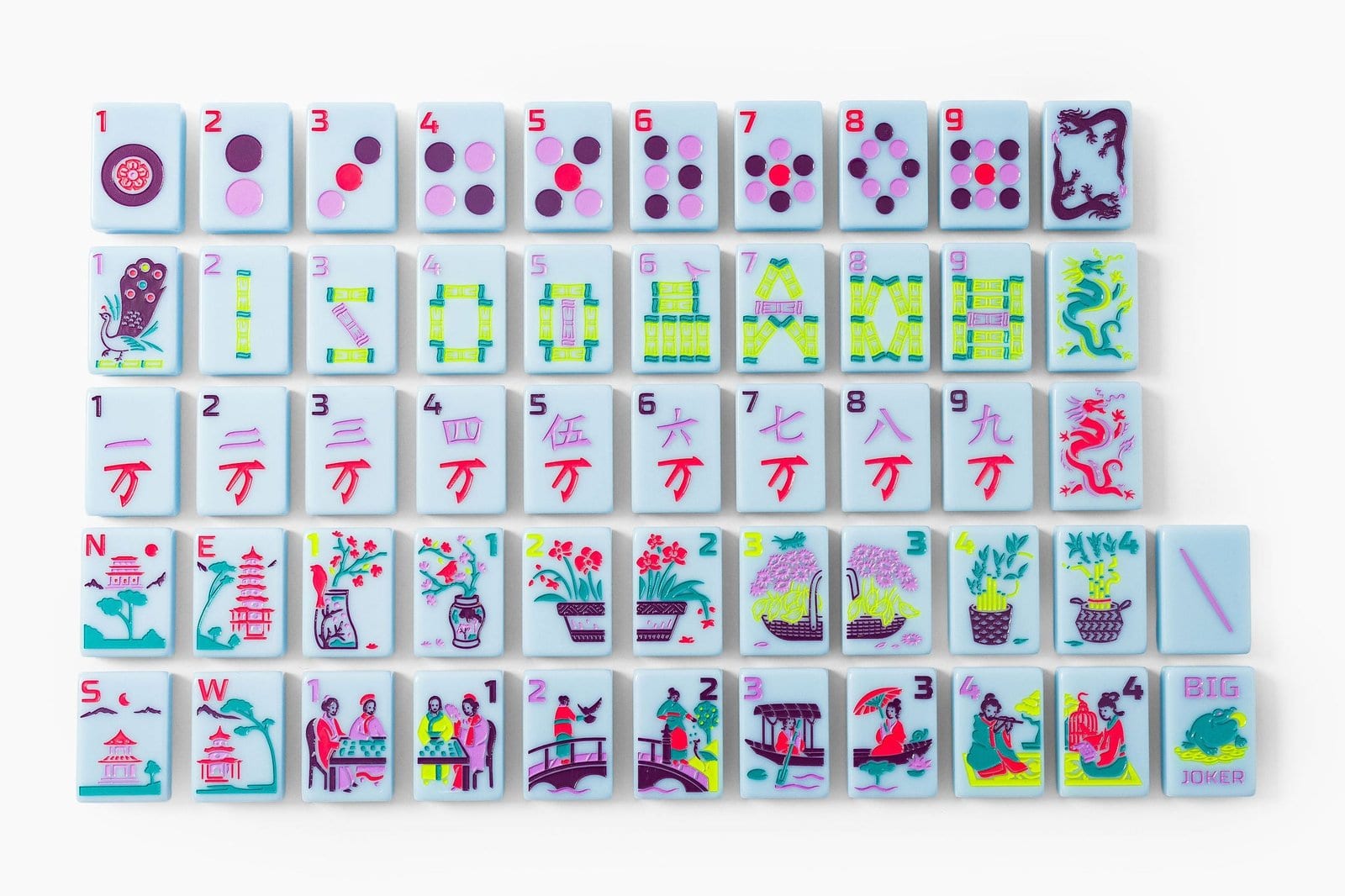
Figure 1: Classic tiles with Arabic numerals. Source: The Mahjong Line website
3. Oh My Mahjong, born in a garage
In 2022, Megan Trottier founded Oh My Mahjong in her garage in Dallas. Few mahjong accessories were on the market at the time, so she started with colorful mats and carrying bags and later added full tile sets. The brand releases new designs regularly, and many players buy them the way collectors do. Trottier told Modern Retail that many people own three to five mats, and some teachers own 20 sets, which they rotate by season and occasion.
The brand grew through three channels. The first is direct sales on its website, which account for about 60% of revenue. The second is wholesale, with customers including Bloomingdale's, Neiman Marcus and the apparel retailer Tuckernuck. The third is a nationwide network of thousands of "Mahji" teachers, who are also the brand's most enthusiastic collectors.
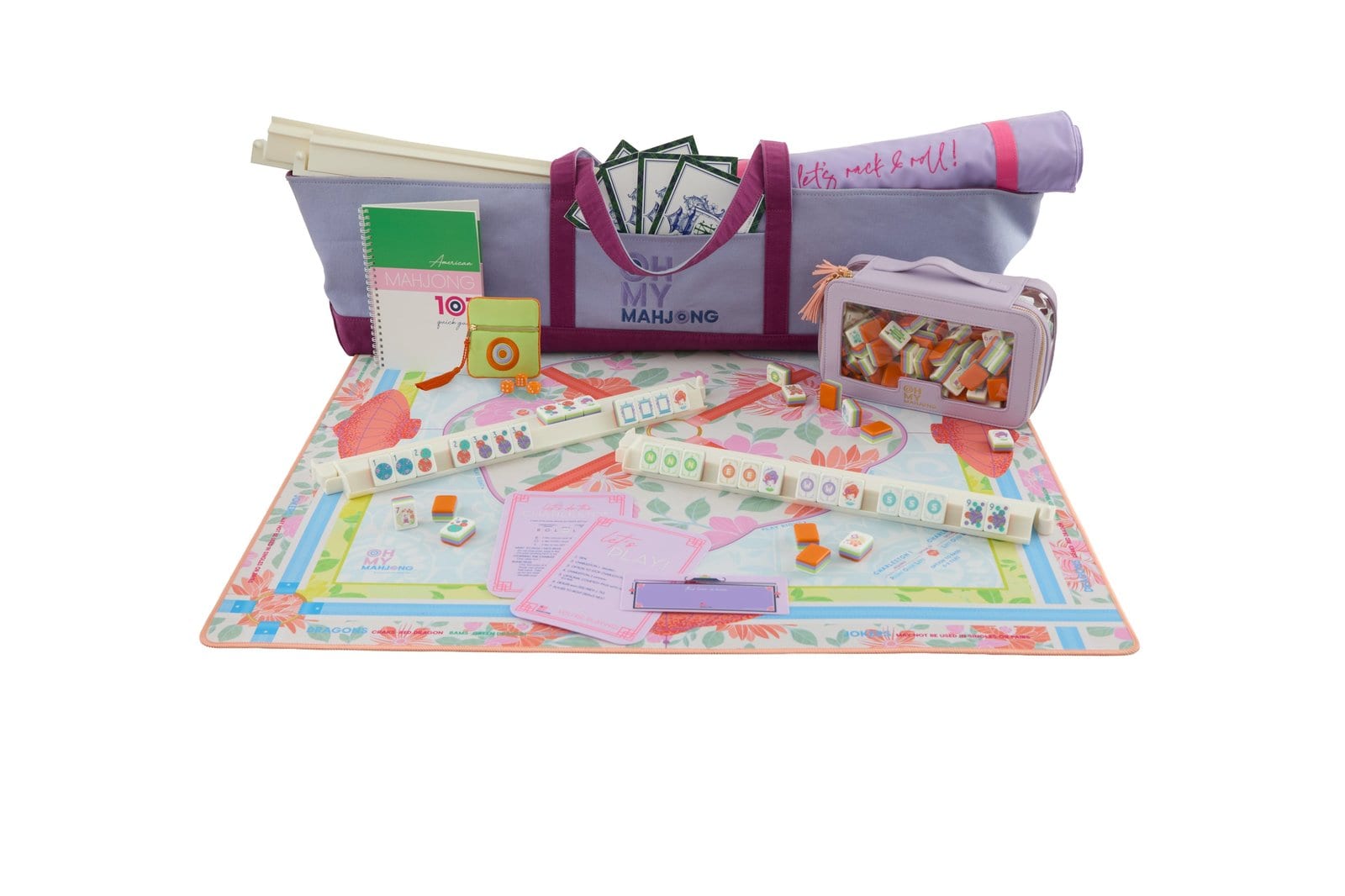
Figure 2: A starter kit with mat and carrying bag. Source: Oh My Mahjong website
4. 2025: Scaling up as premium brands arrive
According to figures the brand gave Modern Retail, Oh My Mahjong's sales grew from $1 million in 2023 to $40 million in 2025, and sales so far in 2026 have already exceeded last year's total. The company's financials are private, so these figures cannot be independently verified. According to the publication, the brand's products are now in more than 2,000 stores, it sells a mat every 10 seconds on average, and it has opened an 80,000-square-foot warehouse in Texas.
That same year, the New York home design brand Jonathan Adler launched mahjong after a year of development. Its set sells for $695 on its website, and the tiles are made in China. In 2025, US tariffs on Chinese goods briefly rose into triple digits, and Oh My Mahjong raised prices as manufacturing costs went up. Trottier says things are now "a bit more normal."
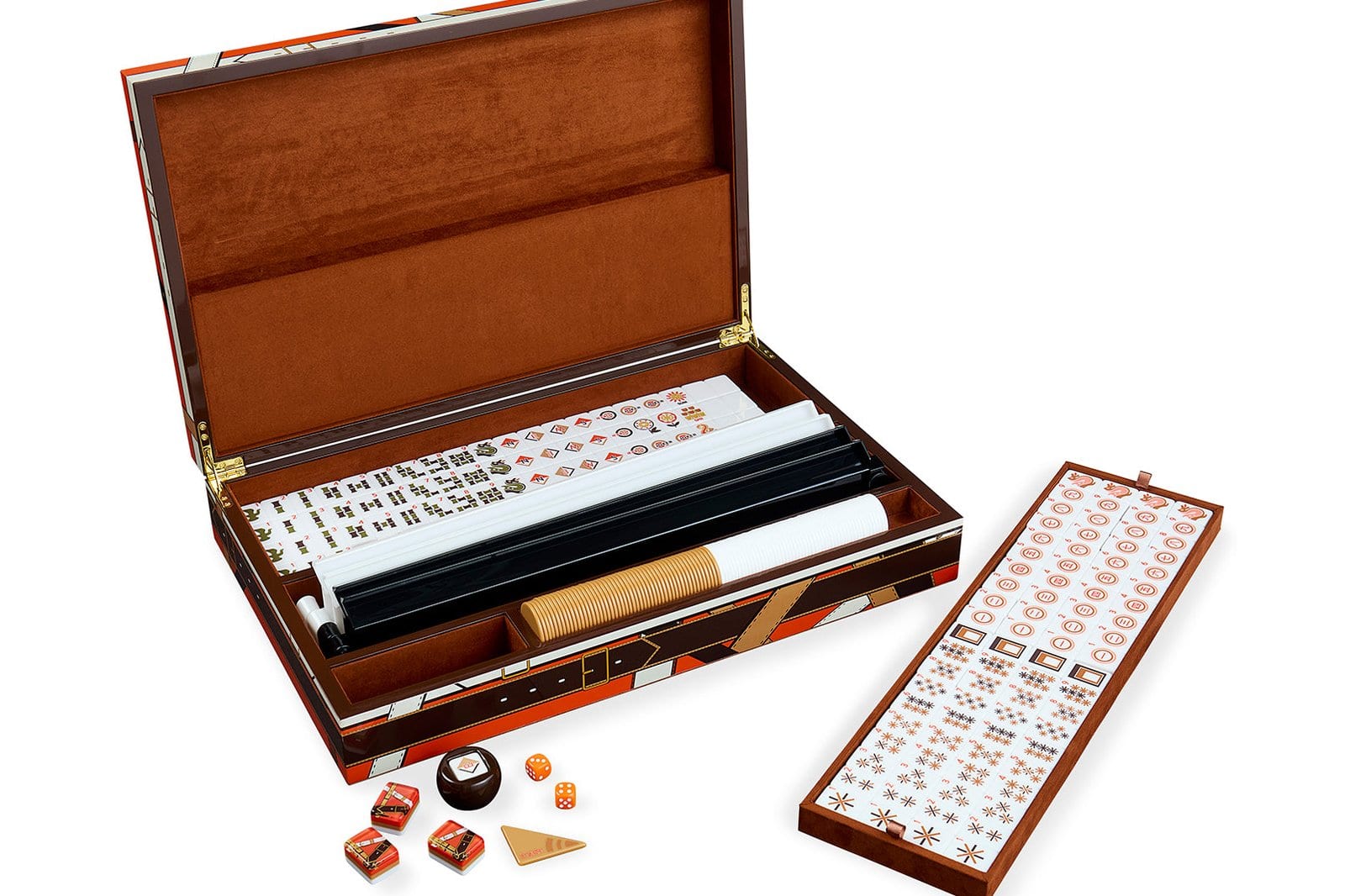
Figure 3: A mahjong set priced at $695. Source: Jonathan Adler website
II. Who Is Playing, and Why (2025–2026)
1. From clubs to the kitchen table
Citing data from the review platform Yelp, Sixth Tone and CNN report that US searches for "mahjong clubs" from September 2024 to August 2025 were up 4,467% over the previous 12 months. By 2026, the boom had spread from clubs to home gatherings. Citing data from the invitation platform Evite, Axios reports that mahjong events are up 94% this year, and about two in five are hosted at home.
Membership-based mahjong clubs are also opening around the country. CNN reports that Heron House in Charlotte, North Carolina, has 70 members, with monthly fees of up to $179. Luxury hotels have started regular game nights as well: "Mahjong Mondays" at the St. Regis New York is fully booked every week, and Hotel Bel-Air in Los Angeles hosts an American mahjong event once a month. Jonathan Adler also offers custom mahjong sets for weddings and corporate gifts.
2. The core players
The boom started in Texas and the American South. According to an October 27 report by the mahjong event platform Bam Good Time, its directory lists more than 1,300 clubs across all 50 states, with Texas leading at 127.
Players are mostly women, across a wide age range. NBC Los Angeles reports that mahjong has reached college sororities. Deseret News describes an instructor who has taught more than 2,500 people, aged 4 to 94. Young Asian Americans are also organizing their own mahjong events around the country, mostly playing Hong Kong or Japanese rules. Trottier, as well as store owners and historians interviewed, all point to the same reason for mahjong's popularity: people want to put down their phones and socialize face to face.
3. Social media
According to Modern Retail, TikTok has more than 150,000 posts tagged #mahjong. The crisp "click clack" of shuffling tiles has become popular ASMR content, and unboxing videos put tile colors and packaging front and center. Attractive tiles are made for photos and sharing, which has made design the most important competitive edge for brands.
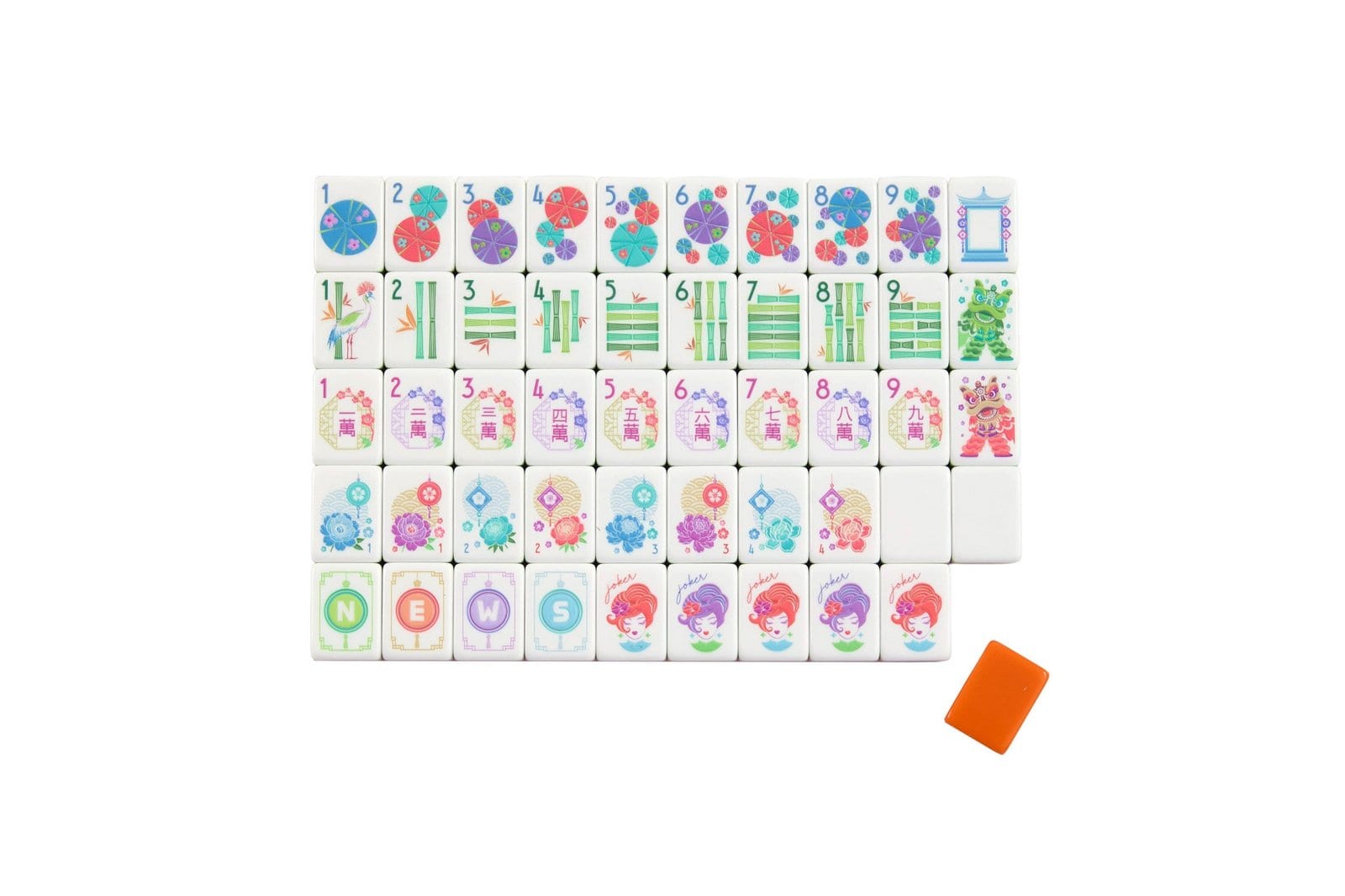
Figure 4: Brightly colored acrylic tiles. Source: Oh My Mahjong website
III. Retailers Follow: Mahjong Hits the Shelves (2026)
1. Michaels brings in Jonathan Adler
In April, the arts-and-crafts retailer Michaels launched an exclusive Jonathan Adler collection in its more than 1,300 stores and online. According to Modern Retail, Michaels also sells lower-priced Jonathan Adler mahjong sets and mats.
2. From $21.99 to $695
Walk through different retailers and a full price ladder comes into view. Hobby Lobby sells a plastic mahjong set for $21.99. Target and Barnes & Noble sell a wooden-case mahjong set from the toy company Spin Master, listed at $79.99 on the Barnes & Noble website. Anthropologie and Urban Outfitters also carry several mahjong sets, including portable travel versions.
Higher up, single sets from Oh My Mahjong and The Mahjong Line run from $325 to $495; Oh My Mahjong's starter kits, complete with mat, racks and carrying bag, cost $665 to $925; and the Jonathan Adler set is $695. Amazon, Walmart, Crate & Barrel, West Elm and other channels also sell mahjong sets and accessories.
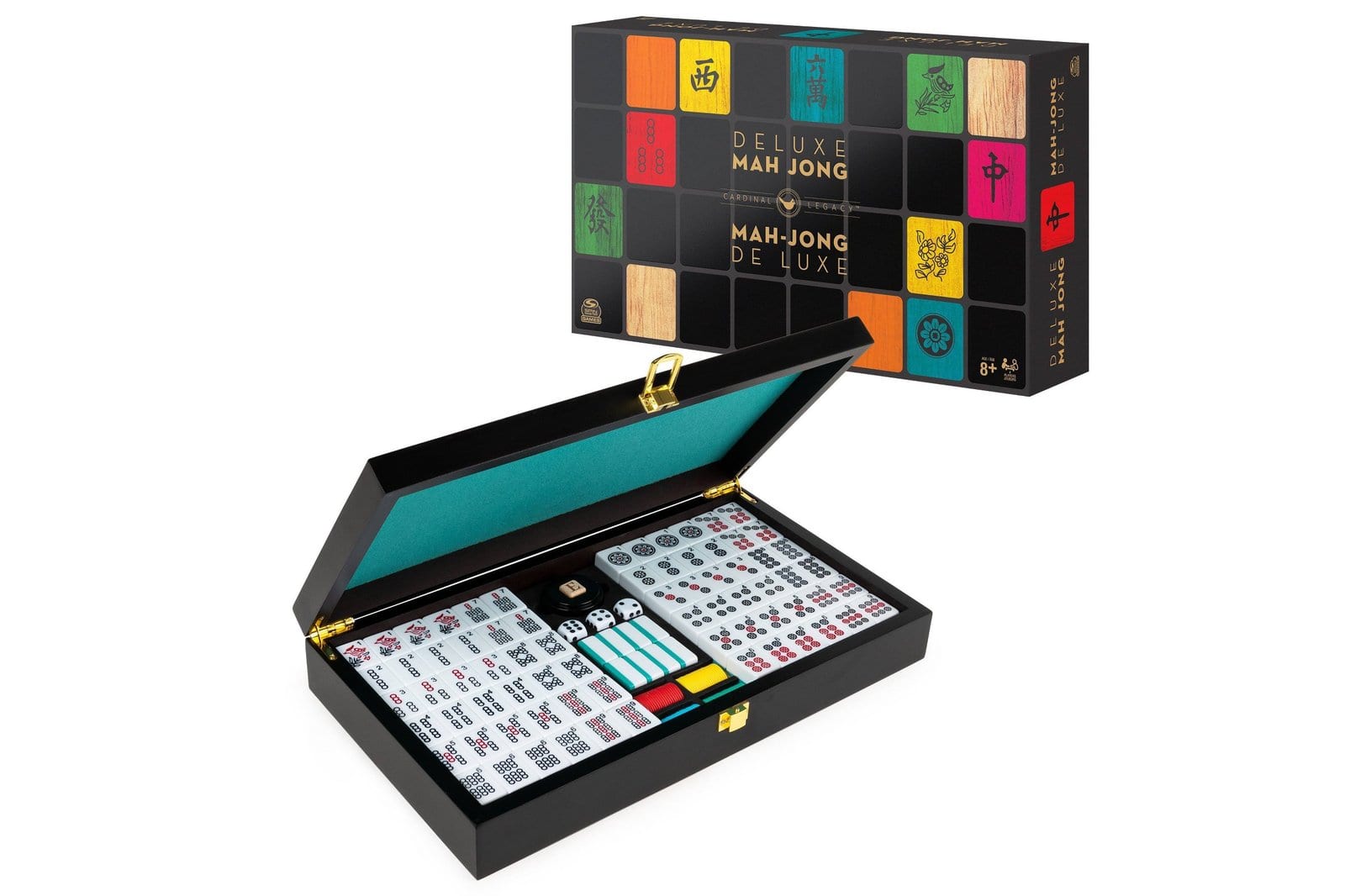
Figure 5: Spin Master mahjong in a wooden case. Source: Target website
3. New foot traffic for bookstores and craft stores
A June analysis by the retail data company Placer.ai found that hobbies such as book clubs, scrapbooking and mahjong are driving visits to bookstores, craft stores and stationery stores, including Barnes & Noble, Michaels and Paper Source, and that retailers are expanding related merchandise. Besides mahjong sets, Barnes & Noble also sells Trottier's rule book, Mastering American Mahjong.
4. Sellouts and preorders
When demand was growing fastest, supply at times fell short. Jonathan Adler president Alison Bergen told Modern Retail that mahjong is the company's fastest-growing games category; this summer, because wholesale customers had placed orders in advance, products sold out as soon as they arrived.
In early October, a collaboration between Oh My Mahjong and the apparel brand LoveShackFancy sold out in under 5 minutes. Preorders then opened, and the preorder page shows expected delivery in January 2027.
On October 29 (ET), WeCross.US reviewed product data on the websites of the two leading brands. Of Oh My Mahjong's 35 tile sets, 33 were available to buy; of The Mahjong Line's 47, 39 were available; and of Oh My Mahjong's 34 starter kits, only 14 were available. The same day, two mass-market mahjong sets on the Barnes & Noble website showed as temporarily out of stock online. Overall, the supply of tile sets is largely stable, and the tightest items are starter kits, limited-edition collaborations and wholesale allocations.
IV. Taixing Factories Take the Orders (2026)
1. From turning orders away to expanding
Taixing in Jiangsu province is China's traditional mahjong manufacturing cluster, with close to 180 mahjong-related businesses listed on the corporate database Qichacha. According to Sixth Tone, the English-language outlet of The Paper, when demand for American mahjong first took off, one export entrepreneur visited nearly 30 factories in Taixing looking for someone to make small batches of acrylic American tiles. Almost all of them said no, because local production lines were designed for high-volume melamine Chinese mahjong.
By 2026, the picture had changed. One factory in the report went from making just 20 American sets in a year to making 200 a day, and its owner invested another 1 million yuan in laser engravers and UV printers. He estimates that nearly 30 new factories opened in Taixing over the past year. One young team has also hired outside designers to create original artwork and launched its own direct-to-consumer website, hoping to move from contract manufacturing to building a brand.
2. What US customers care about
An October NPR report said one Taixing workshop charges US customers at least 200 yuan (about $30) per set at the factory gate. Those customers, mostly Amazon sellers, sell the sets in the US for $300 to $400. People in the industry say US buyers care more about quality and reliable delivery and are not very price-sensitive. Packaging also matters, because many buyers film unboxing videos. Another factory owner told Sixth Tone that Americans buy mahjong the way they buy clothes, wanting new designs every season.
Competition is also heating up. A Ningbo trading company featured by Sixth Tone ships more than 5,000 sets a month, but its conversion rates and profit margins have dropped noticeably. In NPR's reporting, some in the industry believe this market has a window of two or three more years.
3. Tariff changes
In late September, the Office of the US Trade Representative said toys and playing cards had been placed on the list of "non-sensitive goods" eligible for tariff relief under the US-China trade framework. Implementation still has to go through a public comment process, and the timing has not been set. Whether mahjong tiles qualify has not yet been made clear.
V. Opportunities for Chinese Brands
The barriers to entry in the US mahjong market are mainly design, quality and trust. China has a full range of established mahjong products and ways of playing, and many of them are only just getting started in the US. For Chinese brands that know mahjong and have a solid supply-chain base, the following directions are worth considering.
1. Automatic mahjong tables
In China, automatic mahjong tables are standard equipment in homes and mahjong parlors. The machine shuffles and builds the walls, and many models also fold or double as dining tables.
Some sellers already offer them in the US, but the market is still early. Amazon lists several automatic tables marked as compatible with 152-tile American sets, mostly priced between $800 and $1,000. A folding automatic table on the website of the tool retailer VEVOR sells for $827.90 and weighs about 164 pounds. AUTOJONG, a US brand positioned at the high end, lists its table at $4,999 on its website. It is designed for American mahjong, converts to a dining table and comes with four chairs; when checked on October 29, the page showed it as sold out.
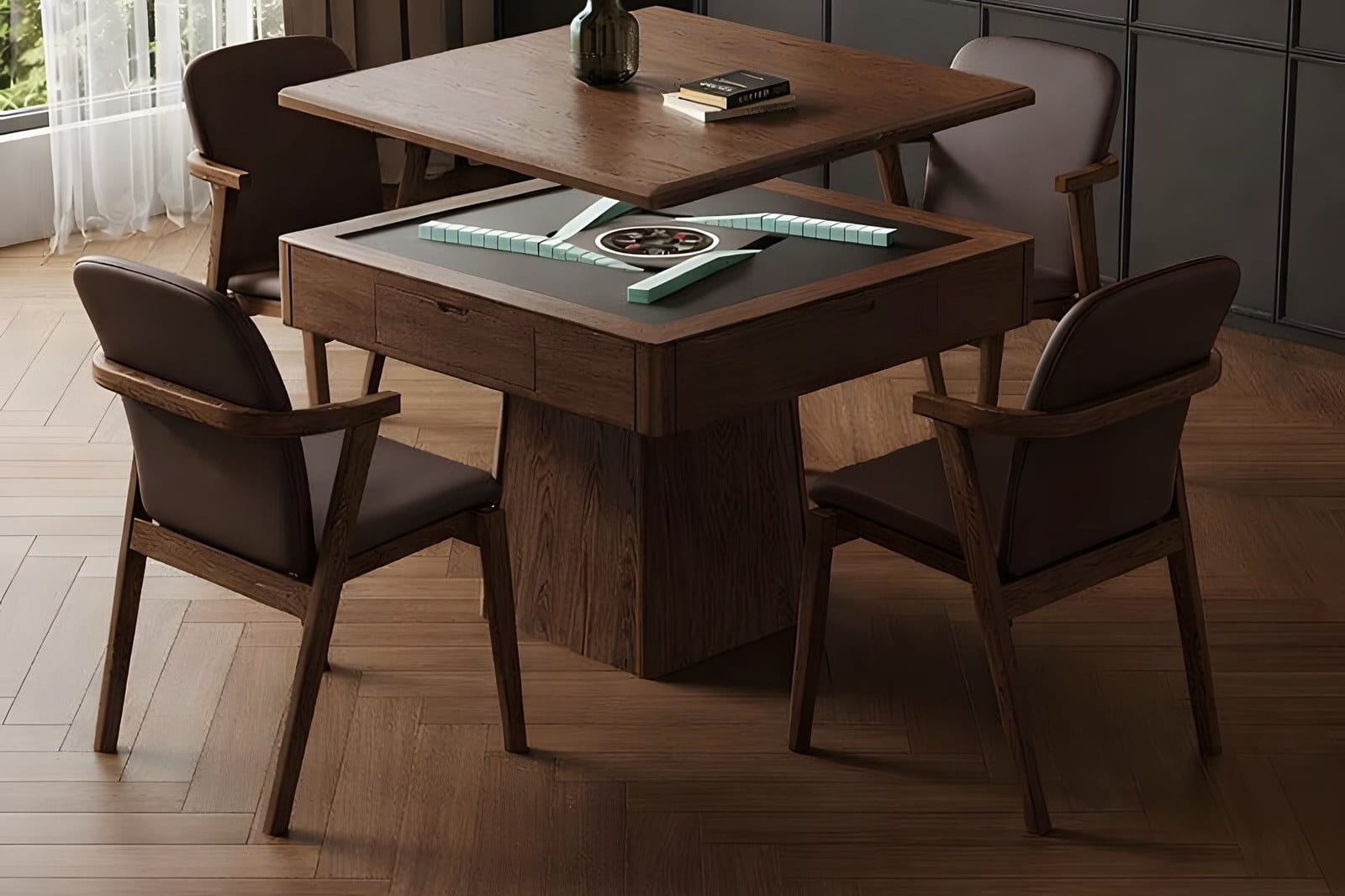
Figure 6: An automatic table for American mahjong that doubles as a dining table. Source: AUTOJONG website
The opportunity is to take China's mature shuffling-mechanism technology and turn it into products that suit American home design. There are several barriers to prepare for before entering the market:
American tiles are smaller than Chinese tiles and include Jokers, so the machine must handle 152 tiles and the American way of building walls.
The tables must run on 110-volt power. No automatic mahjong table with UL or ETL safety certification appears in public information, so certification could become a point of differentiation.
The tables are heavy and ship in several boxes, so freight and return costs are high. Amazon reviews already mention mismatched power cords and missing assembly instructions, so local spare parts and after-sales service need to be in place early.
2. Pay-by-the-hour mahjong spaces
Mahjong parlors in Chinese cities charge by the hour and offer automatic tables, private rooms and tea, so friends can simply book a time and play.
In the US, the mainstream is membership clubs and home games. Pay-by-the-hour spaces have appeared, but there are still few of them. Sparrow's Nest Studio in New York's Koreatown uses automatic tables, charges $8 per person per hour with the option to extend, and supports a range of rules, including American. The Golf House, a leisure venue in Texas, rents out a table and tiles for $10 per table per hour.
Chinese brands could bring the mahjong-parlor model to the US as social spaces with lessons, tea and snacks, or supply automatic tables to venues like these. Sparrow's Nest Studio states on its website that gambling is prohibited under New York State law, and venues also need to consider liquor licenses and other permits.
3. Regional variants and advanced instruction
Mahjong rules vary across China, with major differences between Guangdong, Sichuan and Taiwan. Japanese riichi mahjong also has a well-established professional league.
American mahjong currently dominates in the US. According to a report released October 27 by Bam Good Time, a directory of mahjong clubs, about 90% of clubs that specify a style play American mahjong; of the 519 club listings it collected, 4 specify riichi and 2 Hong Kong style. Riichi already has a national league, USPML, with 274 ranked players to date. For online learning, apps such as Real Mah Jongg already support the NMJL's annual card, starting at $5.99 a month, so this space already has mature products.
Advanced variants lend themselves to bilingual rule cards, teaching kits and online courses for players who have learned the basics and want to try something new. This is a niche market that needs to be built through teaching content and community events.
4. Craft and collectible sets
China has traditional crafts such as bamboo-and-bone tiles and hand carving, and a fine set is often treated as a family heirloom.
According to observations in July by the collector's guide Mahjong Almanac, bamboo-and-bone mahjong sets exported to the US in the 1920s mostly sell for $75 to $450 on the resale market, with exceptional examples reaching $5,000. Among new products, "jade" style sets on the US market are mostly acrylic; Southern Sparrow's hand-painted faux-jadeite set, for example, sells for $459. Our research found no public information on new sets made from real bamboo, natural jade or similar materials.
Chinese brands could develop craft and collector sets that meet the American 152-tile standard, with notes on the craftsmanship and materials. Mahjong Almanac notes that the US restricts ivory products, so products containing bone must be labeled accurately. Natural materials are heavier, which also raises prices and shipping costs.
5. Cultural design and gifts for holidays and weddings
In China, mahjong is closely tied to Spring Festival reunions, wedding banquets and family gatherings. The zodiac, the solar terms and auspicious patterns are all common design elements.
US brands have already started on the holiday and gift market. Oh My Mahjong has launched holiday-themed mats and ornaments, and states on its website that it incorporates traditional Chinese symbols into its designs to honor mahjong's roots. Taixing factories also design tiles around themes such as summer and Christmas. The retailer Main Street Mahjong offers a gift registry for occasions including weddings and birthdays.
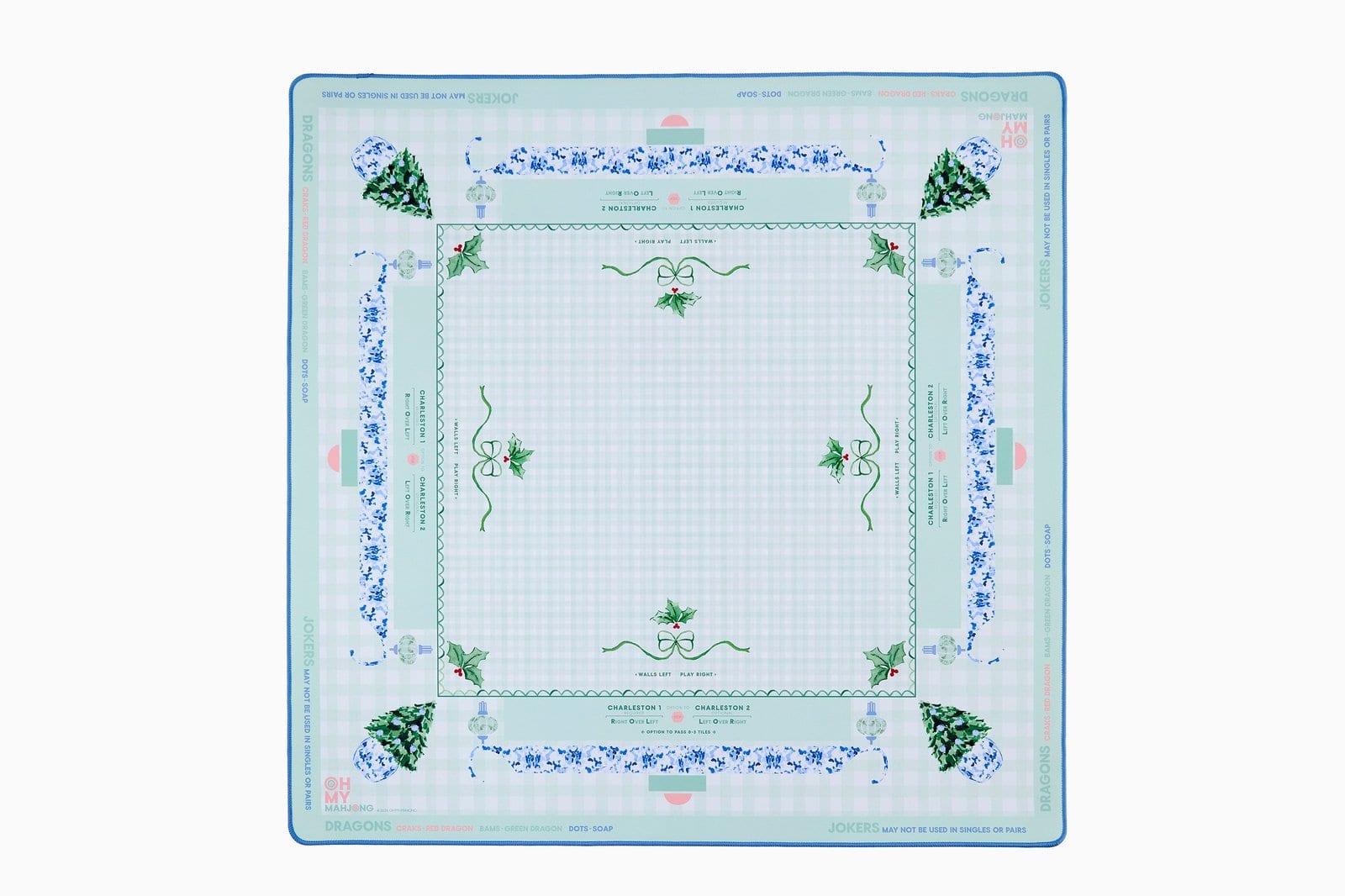
Figure 7: A holiday-themed mat priced at $90. Source: Oh My Mahjong website
Spring Festival, the Mid-Autumn Festival and zodiac years are ready-made themed seasons, and wedding motifs such as the "double happiness" character offer room for storytelling. Chinese brands have natural credibility when telling mahjong's origin story and could develop holiday gift boxes and custom wedding sets with well-documented designs. The US market is sensitive to how cultural elements are used, so designs need to explain where their motifs come from and what they mean.
6. Accessories, merchandise and channels
Mats, racks, pushers and carrying bags cost less than a full set, and players often come back to buy more. The Mahjong Line has already launched collaboration merchandise such as cashmere cardigans and throw pillows, a category well suited to Chinese companies with home, textile and leather-goods supply chains.
As for channels, partnering with clubs, teachers, hotels and in-store events so players can try the game before buying is a path US brands have already proven. Brands can first build a following through their own websites and social media, then move into gift shops, department-store wholesale and the online platforms of major retailers.
This round of mahjong's popularity in the US is being driven by design, social connection and retail together. For Chinese brands that understand mahjong and have a supply chain behind them, this is a market where they can play to their strengths.
Disclaimer
This article is based on public reporting, company websites and platform pages, with information current as of October 29, 2026 (ET). Figures provided by brands have not been independently verified.
Media and research: Modern Retail; CNN; NPR; Sixth Tone; Axios; Deseret News; NBC Los Angeles; NBC News; Placer.ai; Bam Good Time; Mahjong Almanac; The Toy Association; Michaels press release; National Mah Jongg League.
Company and product pages (accessed October 29, 2026): Oh My Mahjong; The Mahjong Line; Jonathan Adler; LoveShackFancy; Barnes & Noble; Hobby Lobby; Target; AUTOJONG; Amazon; VEVOR; Sparrow's Nest Studio; The Golf House; USPML; Real Mah Jongg; Southern Sparrow; Main Street Mahjong.