Washington Says SI, California Keeps AI: The Battle Is Over Who Defines the Rules
Washington rebrands. California legislates. In the SI–AI dispute, who is actually changing the rules for businesses?
WeCross.US Analyst | October 1, 2026 (America/New_York)
***A firsthand voice from the United States, for those taking their businesses overseas***
Introduction: On September 29, the White House replaced ‘AI’ with ‘SI’ in federal communications. It did not ban the technology or rewrite existing documents. The safety commitments signed by six technology companies that day were voluntary and carried no penalties. The following day, California responded by requiring state communications to keep using ‘AI.’ All three developments concern terminology. For substantive regulation, watch the legislative recommendations due in late November and the 13 AI bills California signed that same day.
On September 29, Trump signed the executive order *Inaugurating The Era Of Super Intelligence*: the federal executive branch will replace Artificial Intelligence (AI) with Super Intelligence (SI) in non-statutory documents. The White House also introduced the *White House Accord on Super Intelligence*, a four-layer framework voluntarily signed by Anthropic, Google, Meta, OpenAI, xAI and Nvidia. The next day, California Governor Newsom responded with Executive Order N-10-26: state agency communications would continue using AI rather than adopt the federal terminology.
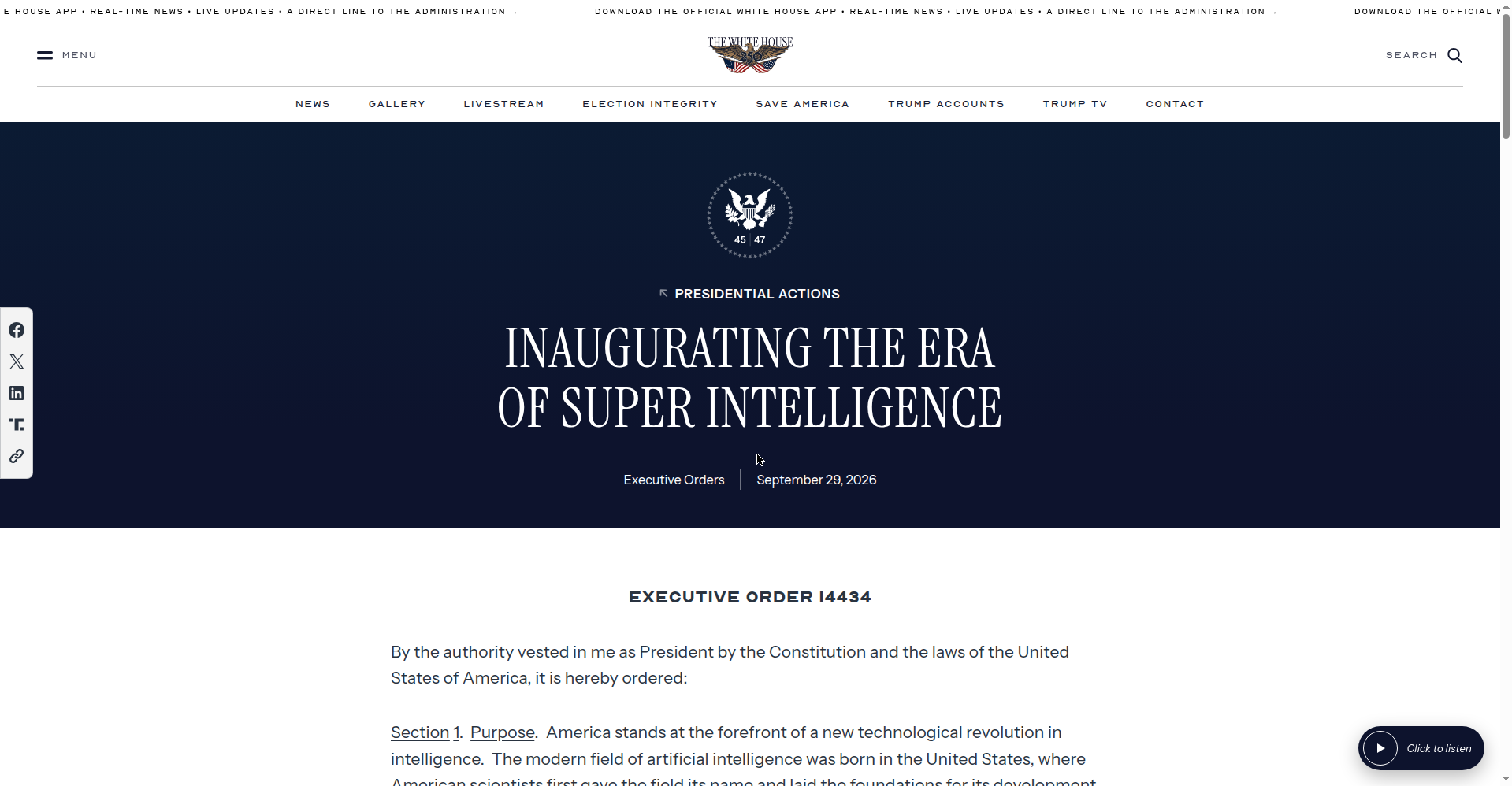
Figure 1: The White House executive order page, ‘Inaugurating The Era Of Super Intelligence,’ September 29, 2026 (source: whitehouse.gov).
Taken together, these events prompted some simplified-Chinese commentary to describe a ‘total U.S. ban on AI’ or a ‘technology cold war between Washington and California.’ A reading closer to the facts is that the dispute is not about whether algorithms can run, but about who uses which terms, who defines them first, and whether regulation is voluntary or mandatory.
The Federal Executive Order: Rebranding, Not Banning the Technology
The executive order governs terminology in the federal executive branch’s non-statutory materials: press releases, websites, policy explanations and research reports. It is not an act of Congress or a ban on private AI research, deployment or commercial use. References to AI in existing regulations, contracts and historical documents are not rewritten retroactively. During the transition, SI is operationally equivalent to the existing statutory definition of artificial intelligence in 15 U.S.C. § 9401(3).
In other words, the technology stack remains, as does the statutory definition for now. What changes is the narrative label the White House wants people to hear. Trump previewed this at the UN General Assembly on September 22: ‘artificial’ makes the technology sound fake—‘It’s not artificial. It’s real.’ He said ‘super’ was more accurate. U.S. coverage has generally treated this as a rebrand rather than a ban. According to a YouGov poll cited by Axios, 53% of Americans still prefer AI, while only 9% accept SI. The new name is unpopular, helping explain why U.S. media describe a renaming rather than a prohibition.
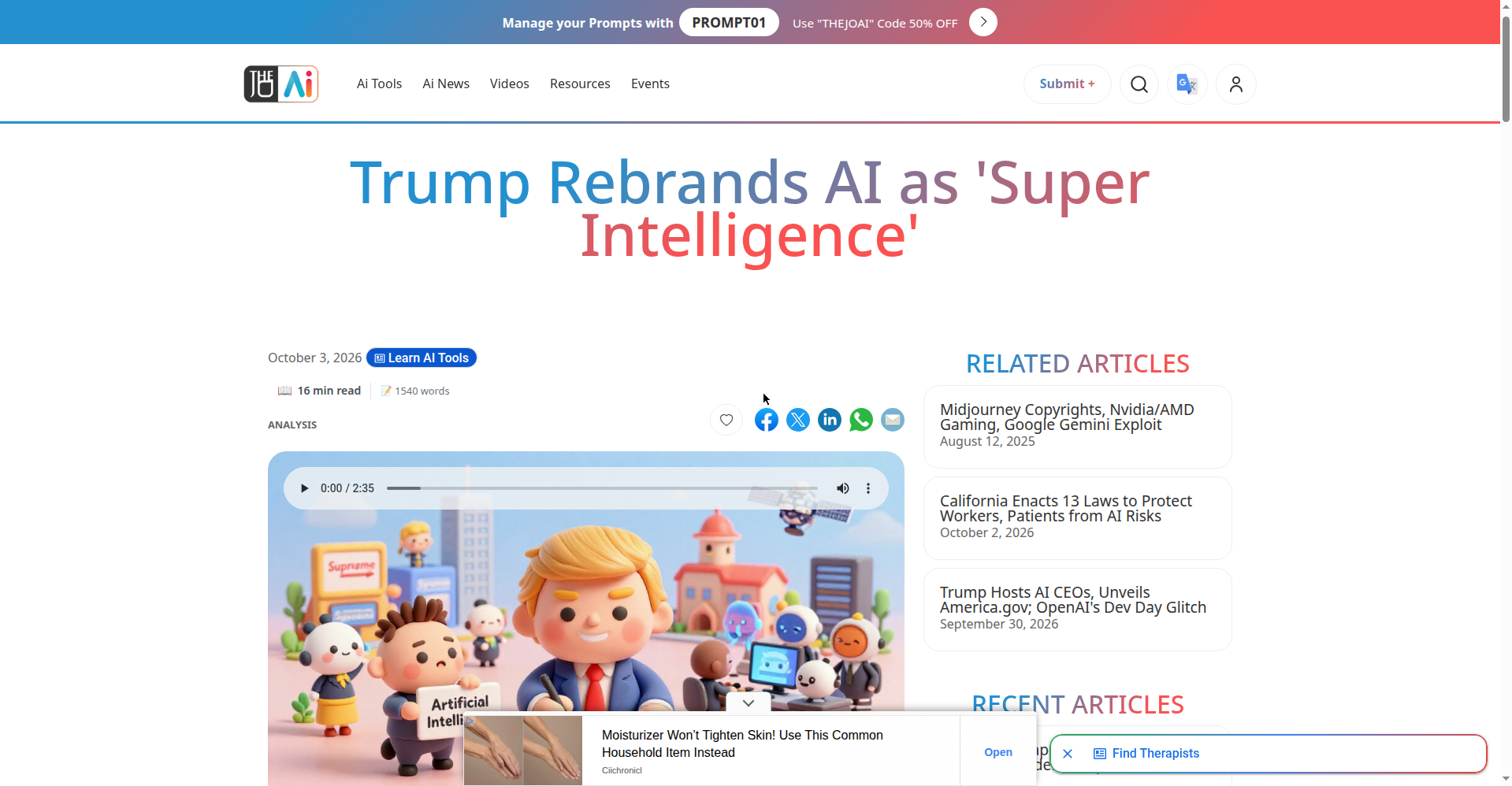
Figure 2: The headline of a THEJO Ai analysis, ‘Trump Rebrands AI as 'Super Intelligence'.’ U.S. coverage generally frames the change as a rebrand rather than an industry ban (source: thejoai.com).
The 60-Day Window: A Contest over Definitions, Not a Law Already Rewritten
The order requires the Assistant to the President for Science and Technology (APST) to submit proposed legislative language within 60 days, addressing a federal definition of SI and whether to amend, expand or replace the existing statutory definition of AI. Counting from the signing date places that window around November 28, 2026.
This is an obligation to prepare a proposal. A new definition does not automatically take effect when the countdown ends, and Congress has not already changed the law. Businesses expanding overseas and policy readers should watch whether control over definitions moves from executive messaging into legislative text over the coming months. That could affect funding criteria, procurement terms and compliance language. The 60 days mark an opening stage, not the final outcome.
The Accord: Four Layers of Voluntary Commitments and a Regulatory Stance
The *White House Accord on Super Intelligence: Joint Commitment on Frontier SI Responsibilities*, announced the same day, is separate from the renaming order. The six frontier companies signed voluntary principles: a four-layer framework described by the White House and participants as ‘morally binding,’ but without penalties and without statutory status.
Its policy signal is more substantial than the terminology change: the White House favors industry self-restraint and existing enforcement tools rather than a new, stringent regulatory institution. Calling the Accord an implemented safety charter overstates it. Reading it as a federal counterweight and alternative to new mandatory rules is closer to what happened.
Anthropic: Present at the Signing, but on a Different Regulatory Path
Anthropic appears among the signatories, and CEO Dario Amodei attended the White House event. Notably, two days before the signing, on September 27, Amodei had a one-on-one dinner with Trump. The Pentagon had previously designated Anthropic a ‘supply chain risk,’ a designation the company is challenging in court. Trump has also repeatedly criticized Amodei’s advocacy of mandatory regulation.
That does not mean the White House adopted Anthropic’s position. What it introduced remained a voluntary Accord—a counterweight and alternative to mandatory regulation, not its adoption. A company can appear in the photograph while occupying the opposite end of the policy spectrum. Reading the nature of the text tells us more than reading the attendance list.
California Executive Order N-10-26: Keeping AI in Official Communications
The following day, September 30, Governor Newsom signed Executive Order N-10-26, directing California agencies to retain AI in official documents and public communications rather than follow the federal switch to SI. The boundary matters here too: this is a state terminology directive, not a ban on SI research by California companies or an interstate embargo.
Newsom’s widely circulated post on X read: ‘I just signed an executive order permanently declaring Artificial Intelligence 'Artificial Intelligence' in California. You’re welcome, America.’ The order also included a jab at the White House: renaming would not make a rational person overlook federal inaction in addressing documented emerging safety risks.
What matters more for businesses expanding overseas is that Newsom also signed 13 AI-related bills that day. Those are substantive measures; the renaming order is more a statement of position. Several of the most consequential measures are state statutes imposing direct obligations on businesses, with penalties, effective dates and enforcement authorities:
- SB 947, the No Robo Bosses Act: the first U.S. law prohibiting employers from leaving dismissal or disciplinary decisions entirely to AI. Decisions involving AI require human review and written notice to employees. Violations can carry penalties of up to $500 each. It takes effect on July 1, 2027. Newsom vetoed a stricter earlier version in 2025; this is a narrower compromise.
- SB 951: where mass layoffs, relocations or closures are primarily caused by AI or automation, notices must identify the jobs displaced, the functions automated and the technologies used.
- AB 1883 / AB 1331: prohibit using AI to predict employees’ emotional states or collect neural data, and prohibit surveillance in restrooms.
- SB 574: lawyers may not delegate their professional work entirely to generative AI, and citations in court filings must be checked by humans. AI in medical settings must preserve physicians’ independent judgment.
The comparison makes the distinction clear: the federal renaming order addresses official terminology, while the Accord is only a voluntary commitment—neither carries mandatory force; California’s 13 measures impose obligations in state law. Across two consecutive days, the White House was changing words while California was legislating. That is why California’s actions are more substantive.
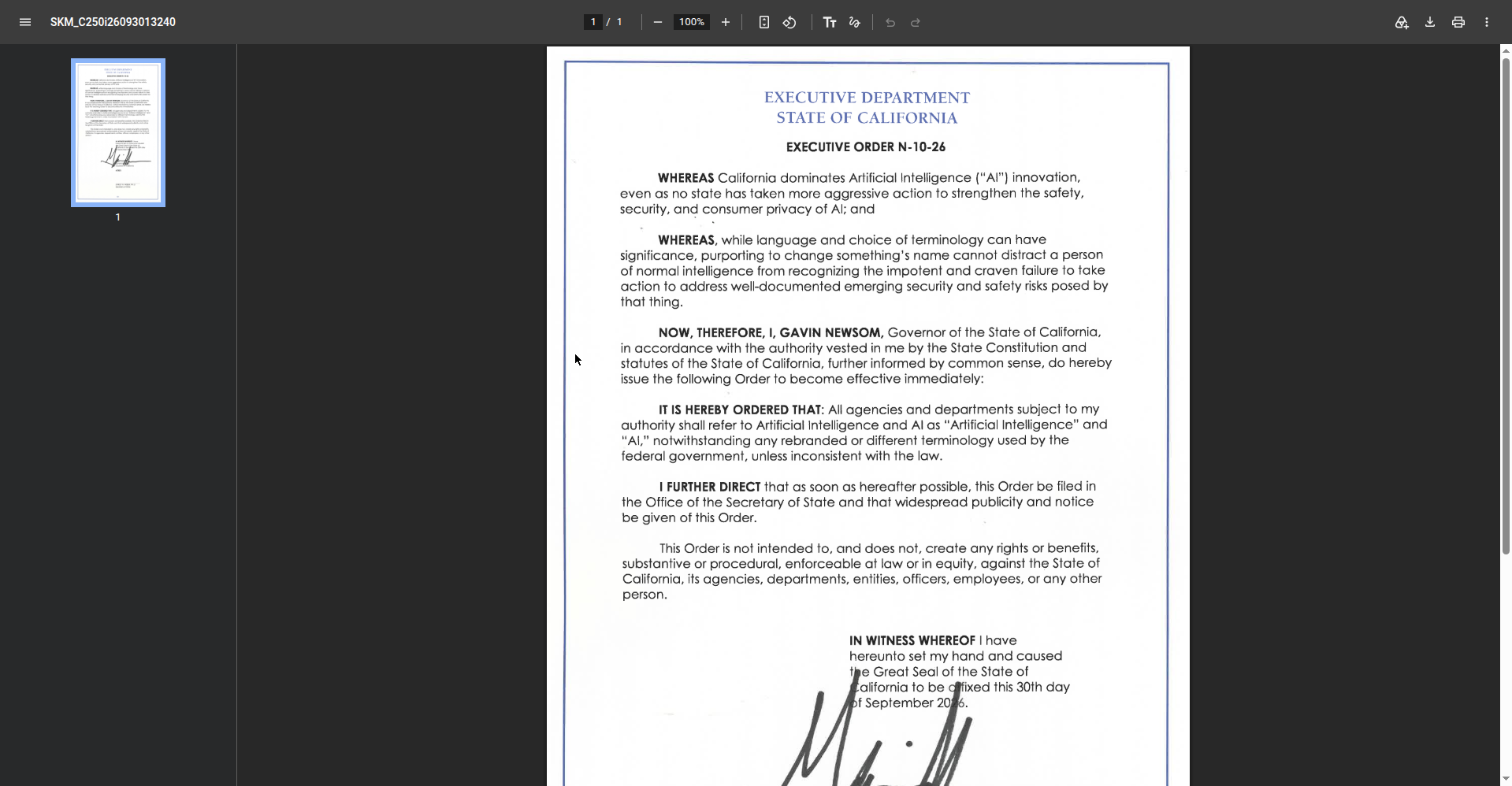
Figure 3: The first page of the signed Executive Order N-10-26 from the California Governor’s Office. State agencies will continue using ‘AI’ (source: gov.ca.gov).
Four Takeaways Connecting the Week’s Events
1. Renaming is narrative: AI becomes SI in federal executive non-statutory terminology; the technology is not banned and old documents are not rewritten.
2. The 60 days concern control over definitions: APST will submit proposed legislative language. Watch preparation of the proposal; do not describe the law as already rewritten.
3. The Accord signals a regulatory stance: six voluntary signatories and no penalties, offering a counterweight to the narrative of new mandatory rules.
4. A federal–state terminology contest: the White House promotes SI, while Sacramento, California’s capital, retains AI. California is also legislating. The contest is over who gets to define the rules.
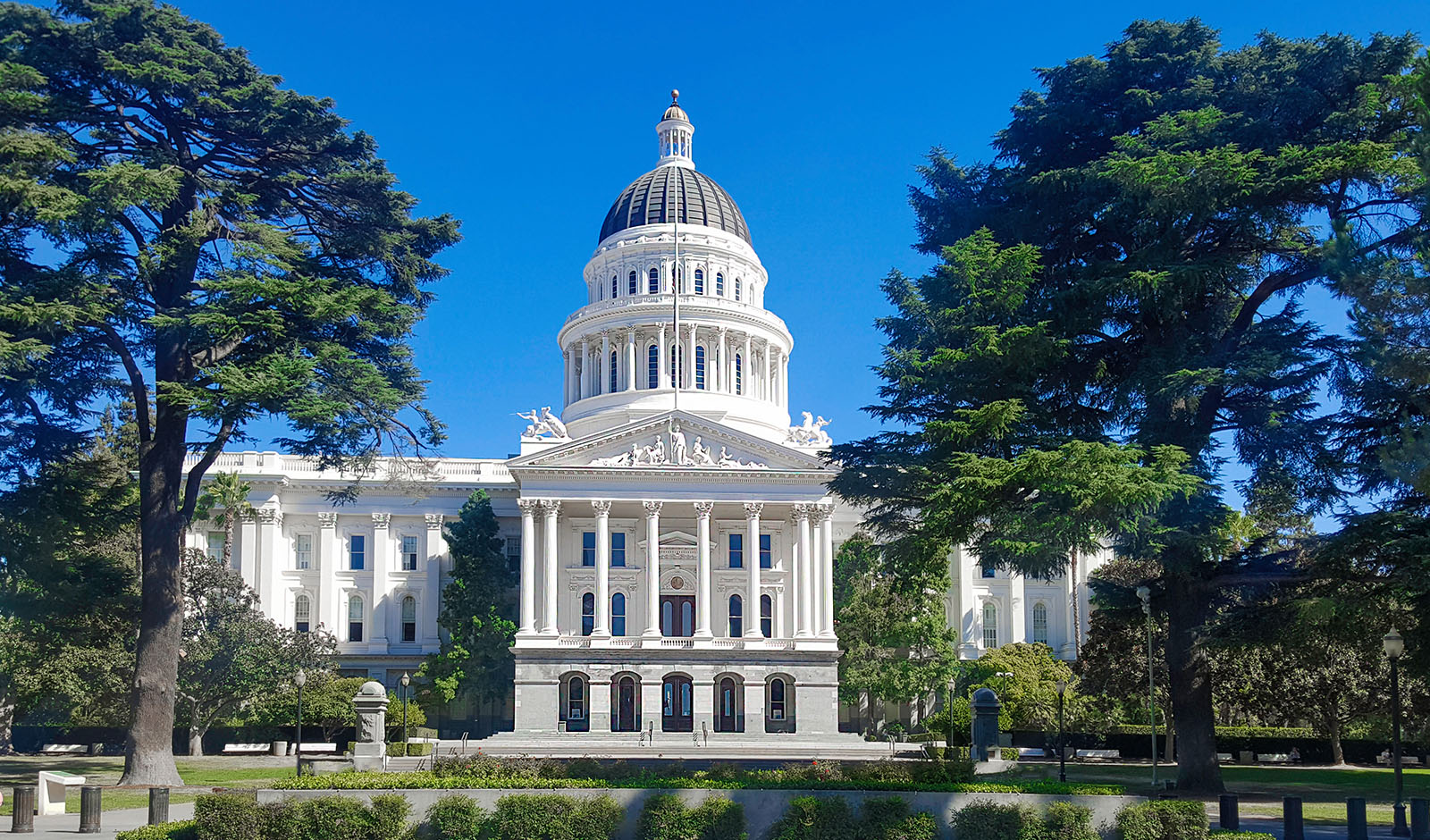
Figure 4: The California State Capitol in Sacramento.